
Definitive buyer guide · Gold Buying
How to Verify Gold Before Buying
A practical due-diligence path covering seller records, independent testing, chain of custody, payment risk, and common warning signs.
What this guide establishes
- Verify the seller, material, sample, report, and payment path independently.
- Control chain of custody from first inspection through laboratory reporting.
- Stop when identity, documents, testing, and transaction explanations do not agree.
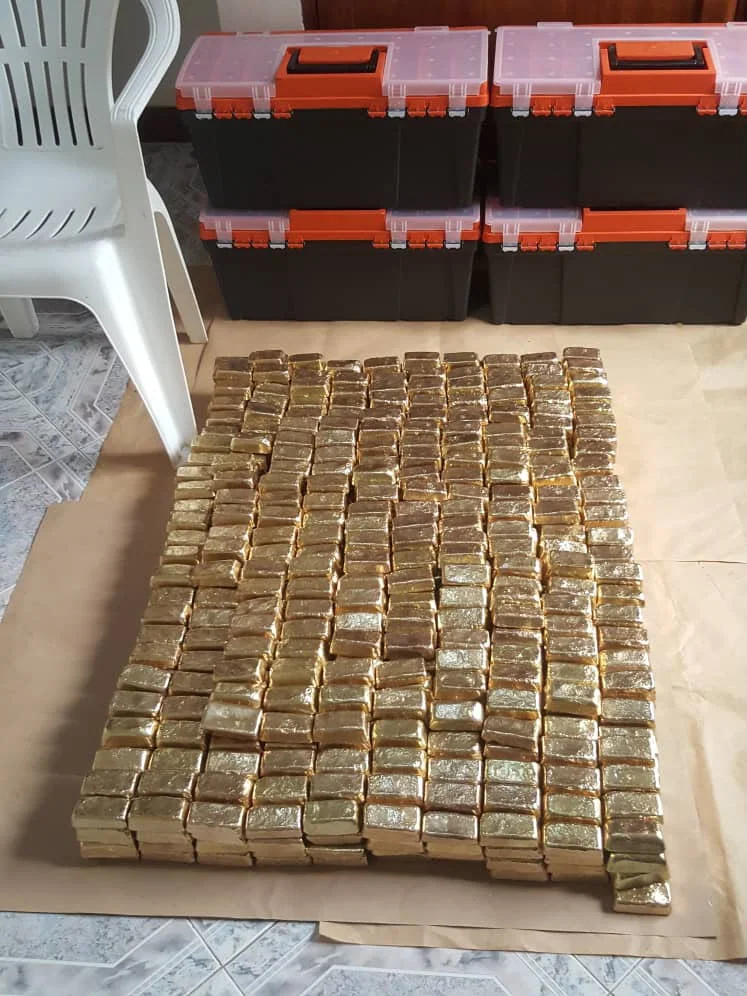
Gold verification is not one test and it is not one document. A careful buyer verifies the counterparty, the material, the sample, the laboratory report, the lawful transaction path, and the payment arrangement as separate questions. Independent testing is central because it provides technical evidence, but it cannot replace identity, ownership, licensing, or compliance checks.
01
Start with the counterparty, not the gold
Before discussing purity, confirm who is offering the material, who owns or controls it, which entity will contract, and whether that party is authorised for the proposed activity.
For the client, the practical issue is scope. A genuine gold sample does not make an unknown or unauthorised counterparty safe. For private buyers, commodity traders, international importers, investors, refiners, and procurement teams, that distinction helps determine whether the evidence is strong enough for the next commitment or whether more verification is needed.
In practice, use independently obtained registration, licensing, address, director, beneficial ownership, sanctions, and professional reference information. The work should be proportionate to the value, variability, geography, and consequence of getting the answer wrong. Responsibilities, timing, and decision points are clearer when they are agreed before money or material moves.
Keep dated copies, source URLs, verification emails, meeting records, and explanations for any difference between names or entities. Records should be reviewed for consistency, not collected only to make a file look complete. Names, dates, weights, references, parties, and explanations should tell one coherent story.
A registration document proves an entity exists. It does not prove the transaction, material, or representative is legitimate. That boundary matters because laboratory, customs, legal, financial, and commercial decisions belong to different qualified parties. A careful client uses each piece of evidence for the question it can genuinely answer.
A useful workflow starts by naming the decision, the person responsible for it, and the evidence that must exist before approval. The client can then separate mandatory requirements from useful supporting checks, record unresolved questions, and stop the process when a material inconsistency appears. This is more reliable than trying to reconstruct the reasoning after the transaction has advanced. Apply that discipline specifically to start with the counterparty, not the gold so the control remains connected to the question this section addresses.
At the review point, write down what is confirmed, what remains an assumption, and what would change the decision. This short record helps legal, compliance, laboratory, logistics, and commercial advisers address the right questions without blurring their roles. It also gives the client a defensible reason to proceed, pause, renegotiate, or decline.
02
Define the material and lot
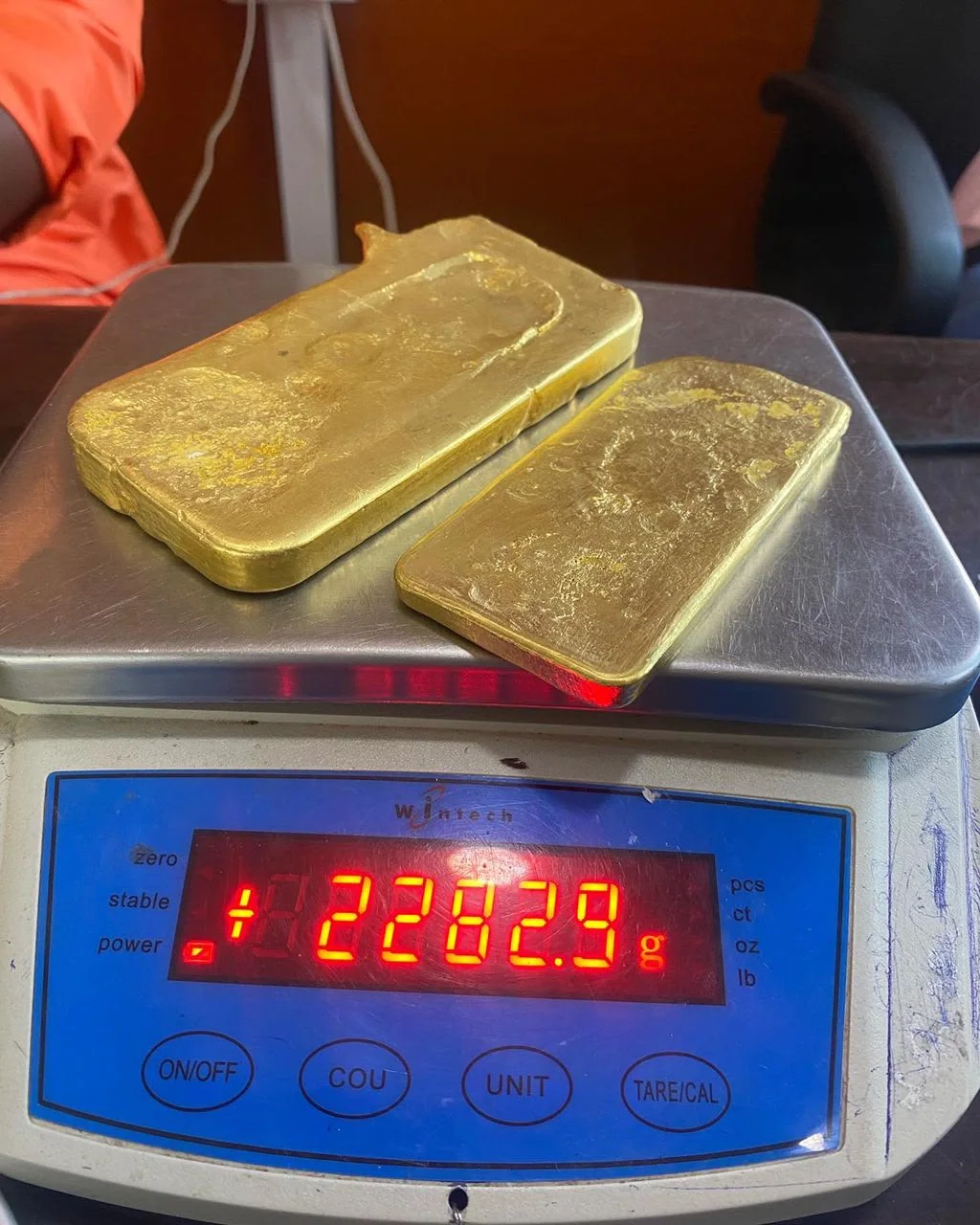
Record what is being offered, including form, number of items, markings, gross and net weight, packaging, location, stated origin, stated purity, and whether the lot can be sampled.
The commercial value comes from using the information correctly. A buyer cannot verify a moving target. The item inspected must be the item sampled, tested, contracted, and transferred. For private buyers, commodity traders, international importers, investors, refiners, and procurement teams, that distinction helps determine whether the evidence is strong enough for the next commitment or whether more verification is needed.
In practice, create a lot list with photographs and unique references before any test or payment step. The work should be proportionate to the value, variability, geography, and consequence of getting the answer wrong. Responsibilities, timing, and decision points are clearer when they are agreed before money or material moves.
Bar lists, scale records, photographs, seal numbers, and signed custody records help reconcile the lot. Records should be reviewed for consistency, not collected only to make a file look complete. Names, dates, weights, references, parties, and explanations should tell one coherent story.
Visual appearance, colour, weight, or stamps cannot establish composition or lawful origin. That boundary matters because laboratory, customs, legal, financial, and commercial decisions belong to different qualified parties. A careful client uses each piece of evidence for the question it can genuinely answer.
Before acting, the client should identify which party supplied each fact and which independent source, record, or test can verify it. Information from a seller may be necessary, but it should not be treated as independent confirmation. Where two records conflict, the conflict should be investigated and documented rather than explained away informally. Apply that discipline specifically to define the material and lot so the control remains connected to the question this section addresses.
Evidence has a useful life and a defined scope. A document may be genuine but outdated, an assay may relate to a different sample, and an approval may apply only to a named party or route. Checking validity, scope, and direct connection to the current material prevents strong-looking evidence from being used for the wrong transaction.
03
Review seller-supplied documents carefully
Seller documents can help identify claims that need checking. They may include assay reports, licences, export records, invoices, ownership statements, or refinery paperwork. Every important issuer should be contacted through independently verified details.
This step protects the connection between evidence and decision. A well-designed document can still be altered, unrelated, expired, or issued for a different sample. For private buyers, commodity traders, international importers, investors, refiners, and procurement teams, that distinction helps determine whether the evidence is strong enough for the next commitment or whether more verification is needed.
In practice, compare names, dates, references, weights, addresses, signatories, and contact details across the complete file. The work should be proportionate to the value, variability, geography, and consequence of getting the answer wrong. Responsibilities, timing, and decision points are clearer when they are agreed before money or material moves.
Direct confirmation from issuers, official registry results, and consistent document references provide stronger support. Records should be reviewed for consistency, not collected only to make a file look complete. Names, dates, weights, references, parties, and explanations should tell one coherent story.
No document should be accepted solely because it contains a seal, signature, logo, or official-looking format. That boundary matters because laboratory, customs, legal, financial, and commercial decisions belong to different qualified parties. A careful client uses each piece of evidence for the question it can genuinely answer.
Timing is part of the control. Reviews, sampling, testing, official enquiries, and third-party approvals should happen early enough for the client to respond to a problem without commercial pressure. A rushed final check is less useful when funds have moved, the shipment has departed, or contractual options have already narrowed. Apply that discipline specifically to review seller-supplied documents carefully so the control remains connected to the question this section addresses.
Good communication is specific. Questions should refer to the exact lot, sample seal, report number, licence, invoice, shipment, party, and date concerned. Answers should be retained with the transaction file. This makes later reconciliation easier and reduces the risk that a verbal assurance is mistaken for formal evidence.
04
Use an independent laboratory
Independent testing gives parties a result from a laboratory that is separate from the seller's commercial claim. The laboratory should control intake, identify the sample, explain the method, and issue the result directly.
The point is not to add paperwork. It is to reduce avoidable uncertainty. A seller-controlled demonstration or report may be genuine but still gives the buyer less control over identity and sampling. For private buyers, commodity traders, international importers, investors, refiners, and procurement teams, that distinction helps determine whether the evidence is strong enough for the next commitment or whether more verification is needed.
In practice, choose the laboratory independently, communicate directly, agree witnesses, and pay the laboratory through a documented channel. The work should be proportionate to the value, variability, geography, and consequence of getting the answer wrong. Responsibilities, timing, and decision points are clearer when they are agreed before money or material moves.
Appointment records, intake forms, sampling notes, report verification, and direct laboratory contact connect the result to the buyer's file. Records should be reviewed for consistency, not collected only to make a file look complete. Names, dates, weights, references, parties, and explanations should tell one coherent story.
The laboratory should not be asked to approve the seller, guarantee the transaction, or value the wider lot. That boundary matters because laboratory, customs, legal, financial, and commercial decisions belong to different qualified parties. A careful client uses each piece of evidence for the question it can genuinely answer.
The process should also allow escalation. A routine check may be enough for familiar, low-risk material, while unfamiliar parties, unusual payment requests, inconsistent weights, complex routes, or high values justify deeper review. Escalation is not an accusation. It is a proportionate response to uncertainty. Apply that discipline specifically to use an independent laboratory so the control remains connected to the question this section addresses.
If specialist interpretation is needed, use the appropriate qualified adviser. Laboratory staff can explain analytical scope, while authorities and legal, customs, financial, or logistics professionals address requirements within their own mandates. Coordinating those answers is more dependable than expecting one report or one organisation to validate the entire transaction.
05
Control sampling and chain of custody
The sample must remain connected to the material from collection through testing. Where possible, both parties witness sampling, seal retained portions, and record each transfer.
For the client, the practical issue is scope. Substitution can occur even when the analytical work is correct. Identity control protects the meaning of the result. For private buyers, commodity traders, international importers, investors, refiners, and procurement teams, that distinction helps determine whether the evidence is strong enough for the next commitment or whether more verification is needed.
In practice, use unique seals, photographs, signatures, timestamps, and direct transfer to the laboratory. The work should be proportionate to the value, variability, geography, and consequence of getting the answer wrong. Responsibilities, timing, and decision points are clearer when they are agreed before money or material moves.
A complete custody log shows who held the sample and records any opening, preparation, split, return, or discrepancy. Records should be reviewed for consistency, not collected only to make a file look complete. Names, dates, weights, references, parties, and explanations should tell one coherent story.
Witnessing one step does not protect an uncontrolled sample before or after that step. That boundary matters because laboratory, customs, legal, financial, and commercial decisions belong to different qualified parties. A careful client uses each piece of evidence for the question it can genuinely answer.
A useful workflow starts by naming the decision, the person responsible for it, and the evidence that must exist before approval. The client can then separate mandatory requirements from useful supporting checks, record unresolved questions, and stop the process when a material inconsistency appears. This is more reliable than trying to reconstruct the reasoning after the transaction has advanced. Apply that discipline specifically to control sampling and chain of custody so the control remains connected to the question this section addresses.
At the review point, write down what is confirmed, what remains an assumption, and what would change the decision. This short record helps legal, compliance, laboratory, logistics, and commercial advisers address the right questions without blurring their roles. It also gives the client a defensible reason to proceed, pause, renegotiate, or decline.
06
Read the report beyond the headline number
Check the sample reference, description, method, units, result, date, limitations, and authorised issue. Contact the laboratory directly using independently found details.
The commercial value comes from using the information correctly. A purity number can be commercially misleading if it belongs to another sample or uses a different reporting basis. For private buyers, commodity traders, international importers, investors, refiners, and procurement teams, that distinction helps determine whether the evidence is strong enough for the next commitment or whether more verification is needed.
In practice, compare the report with intake records, sample seals, lot list, and the contract's settlement method. The work should be proportionate to the value, variability, geography, and consequence of getting the answer wrong. Responsibilities, timing, and decision points are clearer when they are agreed before money or material moves.
Direct issuer verification and controlled report references help identify altered or reused documents. Records should be reviewed for consistency, not collected only to make a file look complete. Names, dates, weights, references, parties, and explanations should tell one coherent story.
A valid report normally describes the tested sample, not ownership, origin, value, or an unsampled shipment. That boundary matters because laboratory, customs, legal, financial, and commercial decisions belong to different qualified parties. A careful client uses each piece of evidence for the question it can genuinely answer.
Before acting, the client should identify which party supplied each fact and which independent source, record, or test can verify it. Information from a seller may be necessary, but it should not be treated as independent confirmation. Where two records conflict, the conflict should be investigated and documented rather than explained away informally. Apply that discipline specifically to read the report beyond the headline number so the control remains connected to the question this section addresses.
Evidence has a useful life and a defined scope. A document may be genuine but outdated, an assay may relate to a different sample, and an approval may apply only to a named party or route. Checking validity, scope, and direct connection to the current material prevents strong-looking evidence from being used for the wrong transaction.
07
Separate testing from payment
Payment design should avoid giving one party control before identity, verification, contractual, and compliance conditions are satisfied. The laboratory result is one condition, not the entire closing process.
This step protects the connection between evidence and decision. Pressure to pay fees, taxes, releases, or deposits before independent checks is a common source of loss and confusion. For private buyers, commodity traders, international importers, investors, refiners, and procurement teams, that distinction helps determine whether the evidence is strong enough for the next commitment or whether more verification is needed.
In practice, use written milestones, verified bank details, appropriate professional advice, and payment methods proportionate to counterparty and jurisdiction risk. The work should be proportionate to the value, variability, geography, and consequence of getting the answer wrong. Responsibilities, timing, and decision points are clearer when they are agreed before money or material moves.
Contracts, invoices, bank confirmations, approval records, and an agreed closing checklist create accountability. Records should be reviewed for consistency, not collected only to make a file look complete. Names, dates, weights, references, parties, and explanations should tell one coherent story.
Bilex does not provide banking, escrow, insurance, or a guarantee that a transaction will complete. That boundary matters because laboratory, customs, legal, financial, and commercial decisions belong to different qualified parties. A careful client uses each piece of evidence for the question it can genuinely answer.
Timing is part of the control. Reviews, sampling, testing, official enquiries, and third-party approvals should happen early enough for the client to respond to a problem without commercial pressure. A rushed final check is less useful when funds have moved, the shipment has departed, or contractual options have already narrowed. Apply that discipline specifically to separate testing from payment so the control remains connected to the question this section addresses.
Good communication is specific. Questions should refer to the exact lot, sample seal, report number, licence, invoice, shipment, party, and date concerned. Answers should be retained with the transaction file. This makes later reconciliation easier and reduces the risk that a verbal assurance is mistaken for formal evidence.
08
Recognise inconsistencies and stop points
Warning signs include changing identities, unexplained location changes, refusal of independent testing, pressure, secrecy, mismatched documents, unrealistic discounts, unusual fees, and claims that authorities or laboratories guarantee profit.
The point is not to add paperwork. It is to reduce avoidable uncertainty. A disciplined stop point protects more value than a rushed attempt to rescue a weak transaction. For private buyers, commodity traders, international importers, investors, refiners, and procurement teams, that distinction helps determine whether the evidence is strong enough for the next commitment or whether more verification is needed.
In practice, record the inconsistency, pause commitments, verify independently, and escalate to qualified legal, compliance, customs, or law-enforcement channels where appropriate. The work should be proportionate to the value, variability, geography, and consequence of getting the answer wrong. Responsibilities, timing, and decision points are clearer when they are agreed before money or material moves.
Written questions and responses help decision-makers see whether concerns were resolved or merely explained away. Records should be reviewed for consistency, not collected only to make a file look complete. Names, dates, weights, references, parties, and explanations should tell one coherent story.
No adviser can promise recovery or a successful outcome after funds or material have been transferred. That boundary matters because laboratory, customs, legal, financial, and commercial decisions belong to different qualified parties. A careful client uses each piece of evidence for the question it can genuinely answer.
The process should also allow escalation. A routine check may be enough for familiar, low-risk material, while unfamiliar parties, unusual payment requests, inconsistent weights, complex routes, or high values justify deeper review. Escalation is not an accusation. It is a proportionate response to uncertainty. Apply that discipline specifically to recognise inconsistencies and stop points so the control remains connected to the question this section addresses.
If specialist interpretation is needed, use the appropriate qualified adviser. Laboratory staff can explain analytical scope, while authorities and legal, customs, financial, or logistics professionals address requirements within their own mandates. Coordinating those answers is more dependable than expecting one report or one organisation to validate the entire transaction.
Clear answers before the next step.
Can You Trust Seller-Supplied Assay Reports?
A seller-supplied report may be useful, but the buyer should verify it directly with the issuer and confirm that the sample identity matches the present material. Arrange fresh independent sampling when the transaction value or identity risk is significant. A genuine old report can be misused for a different bar or shipment. The appropriate response depends on the material, jurisdiction, parties, value, and intended use, so private buyers, commodity traders, international importers, investors, refiners, and procurement teams should confirm transaction-specific requirements before acting.
What Should a Buyer Verify Before Payment?
Before payment, verify the contracting party, authority, material identity, independent assay, lawful trade path, destination requirements, and bank details. Use a written closing checklist with responsible reviewers and clear stop conditions. A favourable assay does not cure a weak counterparty or unlawful transaction. The appropriate response depends on the material, jurisdiction, parties, value, and intended use, so private buyers, commodity traders, international importers, investors, refiners, and procurement teams should confirm transaction-specific requirements before acting.
How Does Chain of Custody Protect a Buyer?
Chain of custody documents who controlled a sample from collection through testing and return. It helps show that the reported result belongs to the intended material. Seal splits, record transfers, and communicate directly with the laboratory. Custody records do not prove ownership of the wider lot. The appropriate response depends on the material, jurisdiction, parties, value, and intended use, so private buyers, commodity traders, international importers, investors, refiners, and procurement teams should confirm transaction-specific requirements before acting.
Should a Buyer Witness Gold Testing?
Witnessing can strengthen confidence in identity, sampling, and custody when parties agree the process in advance. Confirm access, safety, authorised witnesses, sampling decisions, and sealed portions. Attendance does not replace laboratory controls or make a poor sample representative. The appropriate response depends on the material, jurisdiction, parties, value, and intended use, so private buyers, commodity traders, international importers, investors, refiners, and procurement teams should confirm transaction-specific requirements before acting.
What Are Common Gold Transaction Red Flags?
Changing identities, pressure, secrecy, unrealistic pricing, unexplained fees, refusal of independent testing, and mismatched documents are common reasons to stop and verify. Document each concern and resolve it through independent sources before proceeding. One convincing explanation should not override several unresolved inconsistencies. The appropriate response depends on the material, jurisdiction, parties, value, and intended use, so private buyers, commodity traders, international importers, investors, refiners, and procurement teams should confirm transaction-specific requirements before acting.
Does a Certificate Prove Gold Ownership?
No. An assay certificate reports laboratory findings for a sample. Ownership requires separate legal and transaction evidence. Review title, authority, contracts, licences, and lawful transfer with qualified advisers. Do not ask a laboratory to certify ownership or origin outside its analytical scope. The appropriate response depends on the material, jurisdiction, parties, value, and intended use, so private buyers, commodity traders, international importers, investors, refiners, and procurement teams should confirm transaction-specific requirements before acting.
How to Verify a Gold Bar Without Relying on Appearance?
Record the bar, confirm weight and dimensions, screen several points, and use representative sampling when the decision requires proof of bulk composition. Keep every test connected to the same controlled item. Colour, stamps, density, or one surface reading cannot provide complete verification. The appropriate response depends on the material, jurisdiction, parties, value, and intended use, so private buyers, commodity traders, international importers, investors, refiners, and procurement teams should confirm transaction-specific requirements before acting.
What Questions Should You Ask an Assay Laboratory?
Ask how the sample will be identified, prepared, tested, controlled, reported, retained, and verified after issue. Share the intended decision so the laboratory can explain method suitability. A laboratory should not promise a favourable result or transaction outcome. The appropriate response depends on the material, jurisdiction, parties, value, and intended use, so private buyers, commodity traders, international importers, investors, refiners, and procurement teams should confirm transaction-specific requirements before acting.
Can independent testing prevent every gold fraud?
No. Testing can expose composition problems and reduce uncertainty, but fraud may also involve identity, documents, ownership, payment, or shipment. Use laboratory evidence within a wider due-diligence process. No single control eliminates all transaction risk. The appropriate response depends on the material, jurisdiction, parties, value, and intended use, so private buyers, commodity traders, international importers, investors, refiners, and procurement teams should confirm transaction-specific requirements before acting.
Should buyers use the seller's laboratory?
A seller's report can be reviewed, but the buyer gains stronger control by choosing and communicating with an independent laboratory. Agree fresh sampling when the value justifies it. Changing the laboratory does not solve uncontrolled sampling. The appropriate response depends on the material, jurisdiction, parties, value, and intended use, so private buyers, commodity traders, international importers, investors, refiners, and procurement teams should confirm transaction-specific requirements before acting.
Does a low price prove a transaction is fraudulent?
Not by itself, but an unrealistic discount is a risk indicator that should be explained and tested against independent market and transaction evidence. Pause and verify the reason, authority, and costs. Urgency and secrecy make unusual pricing more concerning. The appropriate response depends on the material, jurisdiction, parties, value, and intended use, so private buyers, commodity traders, international importers, investors, refiners, and procurement teams should confirm transaction-specific requirements before acting.
What should happen if reports conflict?
Check sample identity, method, units, dates, preparation, and custody before assuming either laboratory is wrong. Use retained samples or agree a new representative sample under witnessed conditions. Comparing results from different material may not resolve the dispute. The appropriate response depends on the material, jurisdiction, parties, value, and intended use, so private buyers, commodity traders, international importers, investors, refiners, and procurement teams should confirm transaction-specific requirements before acting.
Official and primary sources