
Bullion & Gold Bars
Purity, composition and complementary physical verification for suitable solid bullion.
Gold Testing
Bilex tests gold and precious-metal samples for buyers, sellers, miners, exporters, traders and refineries that need measured information before making a commercial decision.
The testing route depends on the material, the sample available and what the result needs to establish.
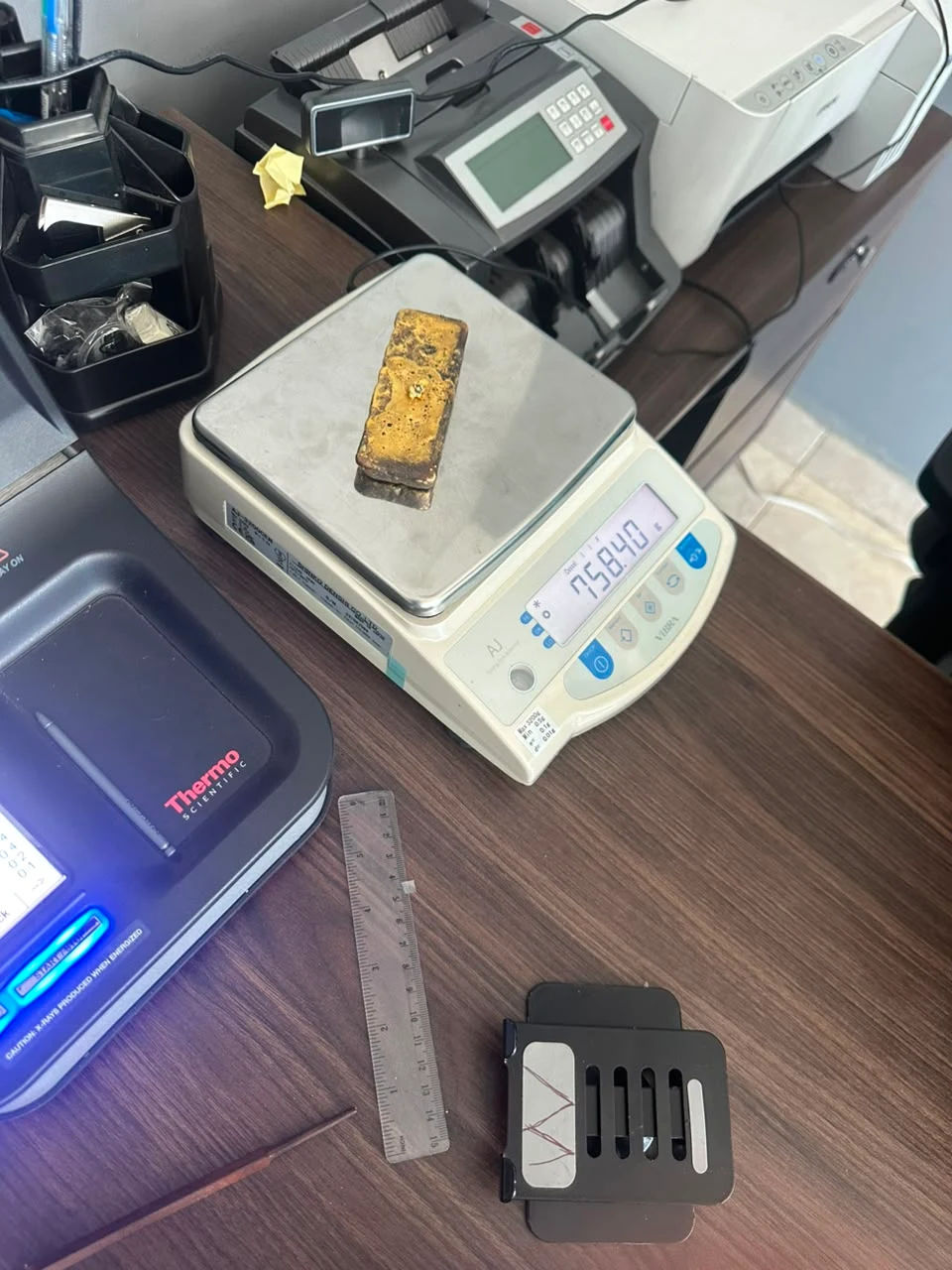
Purity, composition and complementary physical verification for suitable solid bullion.
Analysis of gold, silver and other relevant elements in suitable doré material.
Testing based on representative preparation and analysis of gold-bearing geological material.
Composition and purity assessment using methods appropriate to the item and testing objective.
Gold testing is not one universal procedure. Bilex reviews the material and the testing objective before confirming the method or combination of methods.
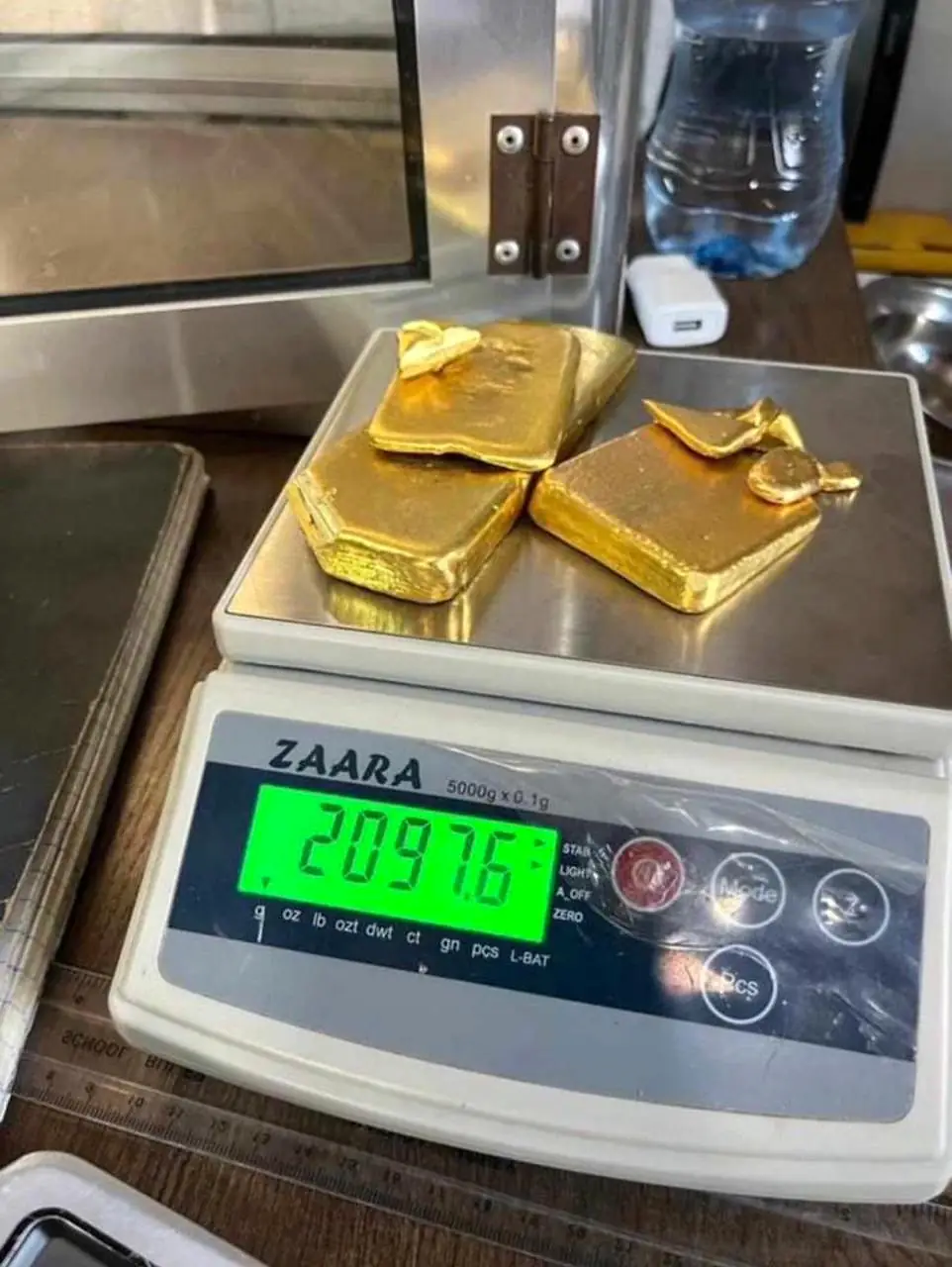
Purity and composition testing for suitable bullion, doré, jewellery and other metallic samples.
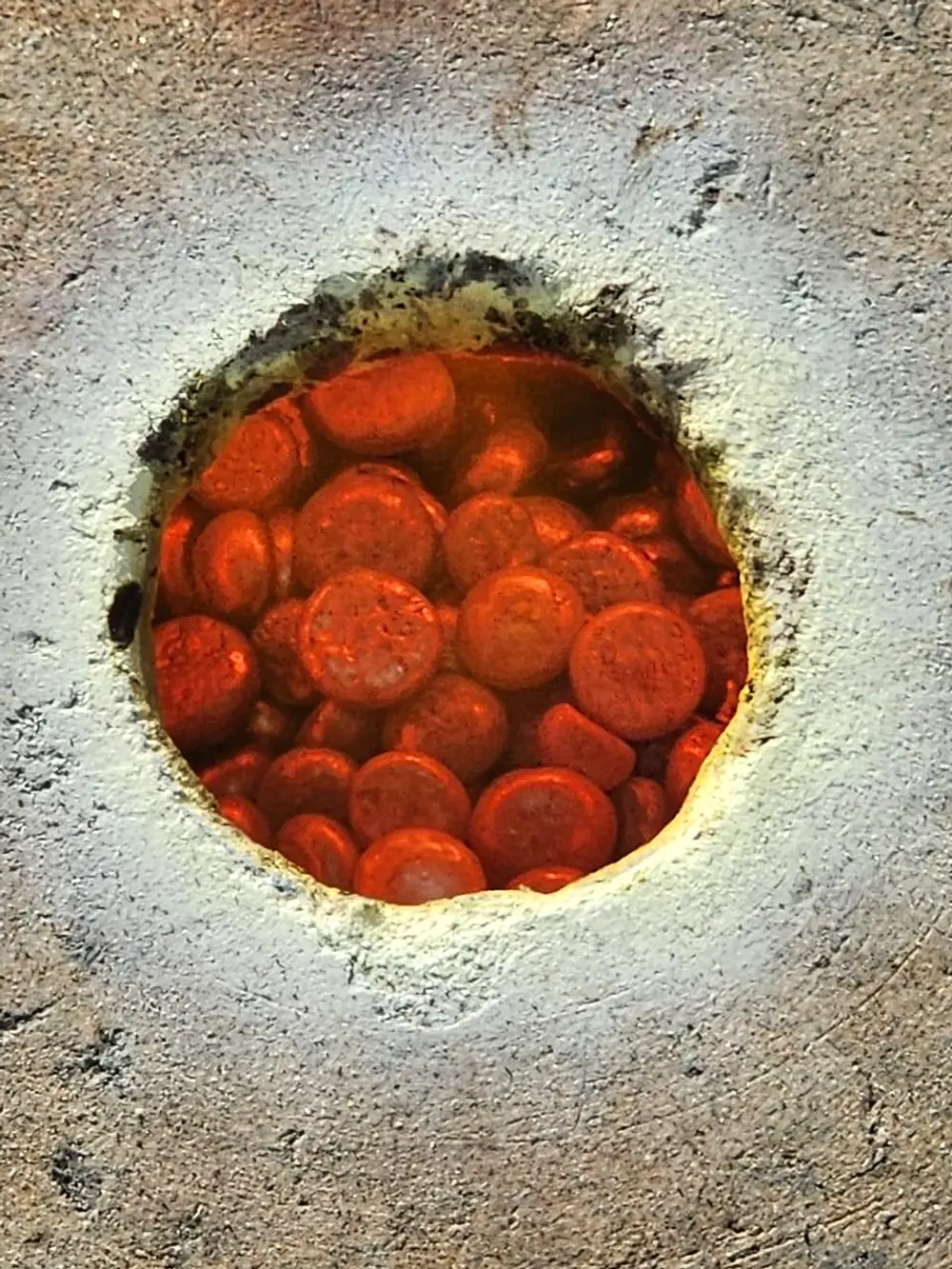
Representative precious-metal determination from a prepared sample.
Rapid elemental analysis of suitable metallic samples without consuming the item.
ICP-OES, AAS, ICP-MS and other instrumental methods for suitable analytical requirements.
Ultrasonic, density and complementary checks for suitable solid bullion.
Testing can provide independent evidence of composition or purity before parties agree commercial terms.
Ore and concentrate testing can support material assessment when the submitted sample represents the defined lot.
Laboratory results can form part of a wider transaction or shipment file where the parties require them.
Testing can provide documented information about submitted material before or alongside a refinery's own intake process.
Tell us the material and what you need the result to establish.
The material or submitted sample is identified and recorded.
The agreed preparation and testing method are carried out.
You receive a result linked to the material, sample and method used.
A test result applies to the material or sample examined. For larger lots, ore and concentrates, representative sampling and preparation are especially important if the result will inform a wider commercial decision.
International buyers and sellers can arrange testing before purchase, export or refinery intake. Bilex can discuss sample submission, appointment requirements and the report needed for the agreed scope. Testing does not replace ownership, licensing, payment, customs or wider due-diligence checks.
Yes. The appropriate method is selected according to the material, sampling requirements and information needed.
Suitable bullion can be examined using non-destructive methods including XRF, ultrasonic testing and density testing.
Yes. Fire Assay uses a representative prepared sample that is consumed during analysis.
No. Tell us what material you have and what you need to establish, and Bilex will recommend an appropriate testing route.
No. They are different methods with different strengths and limitations. The appropriate choice depends on the material and testing objective.
Tell us the material and what you need the result to establish.
Overview
A bar of doré, a refined bullion bar and a bag of gold bearing ore may all contain gold, but they cannot be treated as the same analytical material. The way the material is sampled, prepared and tested changes with its physical form and with the question the client needs answered.
Bilex tests ore, concentrates, doré, bullion, nuggets, jewellery and other suitable precious metal materials. The laboratory method is selected after reviewing the sample and the intended use of the result.
Ore and concentrate results depend heavily on representative sampling. The material may need to be dried, crushed, split, pulverised and homogenised before a test portion is taken. Fire Assay remains a central method for gold determination. Metallic Screen Fire Assay can be useful where coarse gold distribution creates strong variation between small test portions. PhotonAssay provides another option for suitable prepared geological samples where analysis of a larger mass is useful.
Doré is already metallic, but its composition can vary and the surface may not tell the full story of the bar. XRF can provide rapid elemental screening from prepared areas. Where a representative quantitative determination is required, a metallic sample can be taken for Fire Assay or another suitable laboratory method. The sampling plan matters because the assay result represents the sample removed from the bar.
Finished bullion may require more than one type of evidence. XRF provides surface composition from prepared test areas. Fire Assay can determine gold from a representative metallic sample when destructive sampling is authorised. Ultrasonic examination can assess internal continuity in suitable solid bars, while hydrostatic density testing provides supporting physical evidence based on mass and volume.
Gold is often the primary reason for testing, but silver can also be important in doré, ore, concentrates and other precious metal materials. Bilex can determine or report silver where it forms part of the requested analytical scope. The method and reporting unit depend on the material and concentration range.
A laboratory can measure a sample with high precision and still give the wrong impression if that sample does not represent the material being valued. For larger lots and commercial transactions, the connection between the sample, the lot, the custody record and the final report should remain clear from the start.