
Multi-Element Composition
Measure multiple selected elements within a suitable prepared analytical sample.
Gold Testing Method
Quantitative Multi-Element Analysis for Prepared Samples
ICP-OES provides quantitative multi-element analysis from an appropriately prepared analytical sample.
It is useful where the testing requirement calls for measurement of multiple selected elements rather than rapid surface screening alone.
Bilex confirms method availability, the accepted sample form and the analytical scope after reviewing the material and intended use of the result.
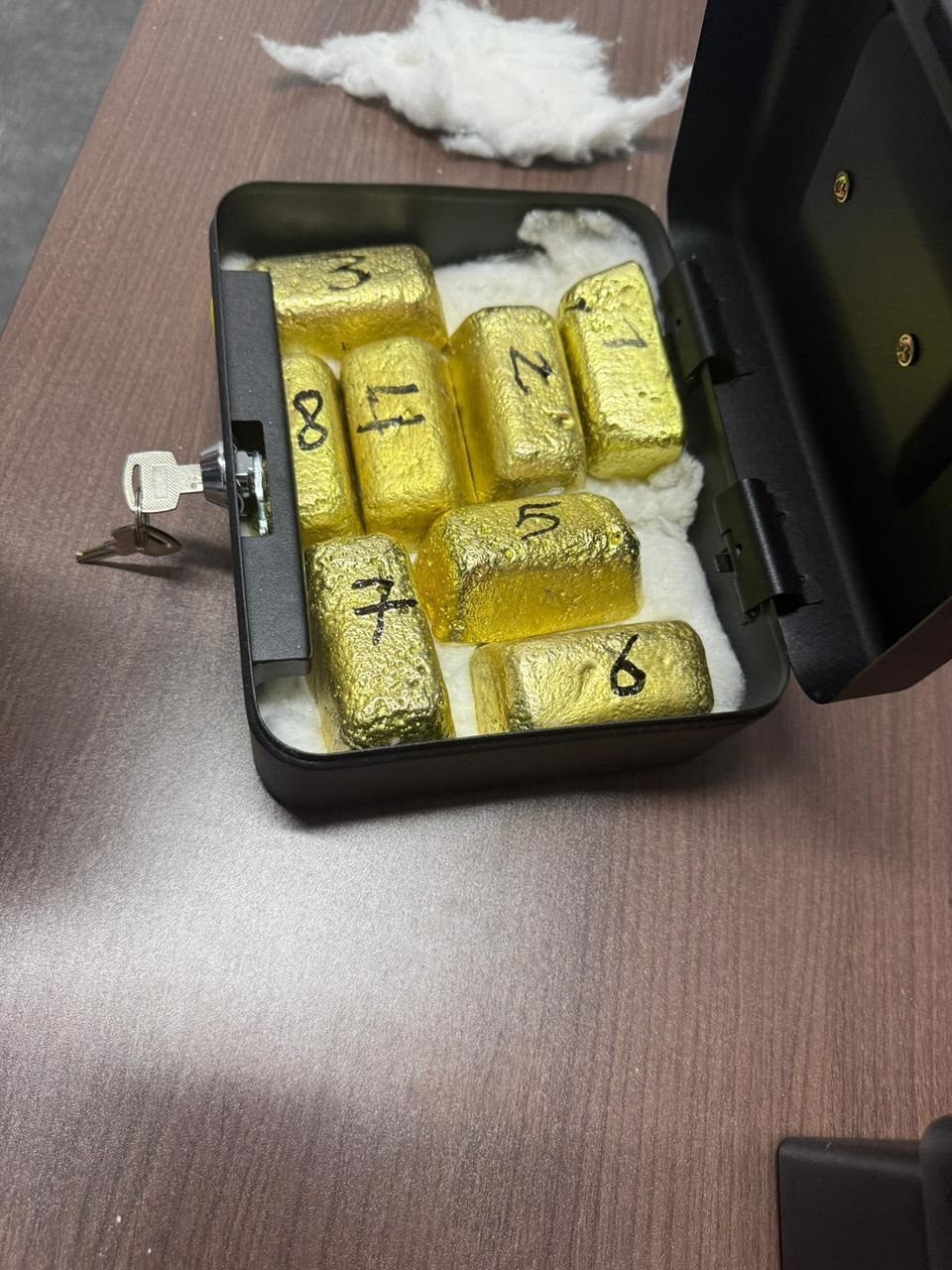
Inductively Coupled Plasma Optical Emission Spectrometry (ICP-OES), also called ICP-AES, is an instrumental technique used to determine concentrations of selected elements in a prepared sample.
A suitable prepared sample is introduced into a high-temperature plasma. Excited atoms and ions emit light at characteristic wavelengths. Measurement of those emissions, against an applicable analytical calibration, provides quantitative information for the elements covered by the method.
ICP-OES is not a scanner for an intact bullion bar. Sampling and preparation occur before instrumental measurement, and the analytical portion is not preserved in its original form.
Analytical purpose
The method is selected from the material and the analytical question—not from a claim that one technology is best for every sample.
Measure multiple selected elements within a suitable prepared analytical sample.
Support detailed elemental analysis of properly sampled and prepared doré material.
Quantify selected alloying or impurity elements where the method and concentration range are appropriate.
Analyse suitable prepared refinery or process material within an agreed scope.
Provide quantitative multi-element information after representative sampling and suitable preparation.
Suitability is confirmed against the sample form, expected composition and applicable analytical procedure.
Before testing
Method selection
Different methods provide different kinds of evidence. Complementary testing may be appropriate where one result cannot answer the full question.
XRF generally provides rapid, normally non-destructive elemental information from selected surface regions. It is useful for screening and comparing areas of a suitable item.
ICP-OES provides quantitative multi-element information from a prepared analytical sample. The methods answer different questions, so neither should be described as universally more accurate.
Fire Assay uses a precious-metal collection and separation procedure on a representative analytical portion. ICP-OES is an instrumental measurement technique.
They should not automatically be treated as interchangeable. In some workflows, instrumental spectroscopy may be used as the measurement finish after appropriate collection or preparation.
The analytical result describes the identified sample and stated method. Applying that result to a bar, parcel, shipment or multi-kilogram lot depends on whether the sampling procedure reasonably connects the tested sample to the defined material.
Testing does not by itself establish ownership, lawful origin, seller legitimacy, export authorisation or payment security.
Common questions
It measures concentrations of selected elements in an appropriately prepared analytical sample using the characteristic light emitted by excited atoms and ions in a plasma.
Gold can be measured where the preparation, calibration, concentration range and validated analytical procedure are appropriate. Suitability must be confirmed for the specific sample.
It may analyse a representative prepared sample derived from suitable doré or bullion. It does not scan an intact bar, and the result cannot represent a wider lot without a defensible sampling relationship.
The analytical portion requires preparation and is not preserved in its original state. Bilex should confirm the sampling and preparation requirements before material is altered.
Not automatically. The appropriate approach depends on the material, analytical question, concentration range, preparation and reporting requirement.
Gold Testing & Assaying
Use these links to compare the evidence each method can provide before selecting an analytical approach.
Compare targeted element determination with multi-element ICP-OES analysis.
Learn MoreReview high-sensitivity trace-element measurement for suitable prepared samples.
Learn MoreUnderstand representative prepared-sample gold determination and destructive-test limits.
Learn MoreCompare prepared-sample ICP-OES analysis with rapid surface-region screening.
Learn MoreGold Testing Method
Tell Bilex what material you have, what you need to establish, whether the item must remain intact and how the result will be used. The team will review method suitability and confirm the next step.
Method availability, equipment or partner-facility arrangement, sample requirements, timing and reporting scope are confirmed for the specific enquiry.