
Definitive importer guide · Import Compliance
Gold Import Compliance
A practical overview of importer responsibilities, customs, KYC, AML, sanctions, source records, and laboratory verification.
What this guide establishes
- Confirm destination rules and importer responsibilities before shipment.
- KYC, AML, sanctions, customs, source, and laboratory evidence answer different questions.
- The exporter’s documents must reconcile with the material, transport, payment, and import declaration.
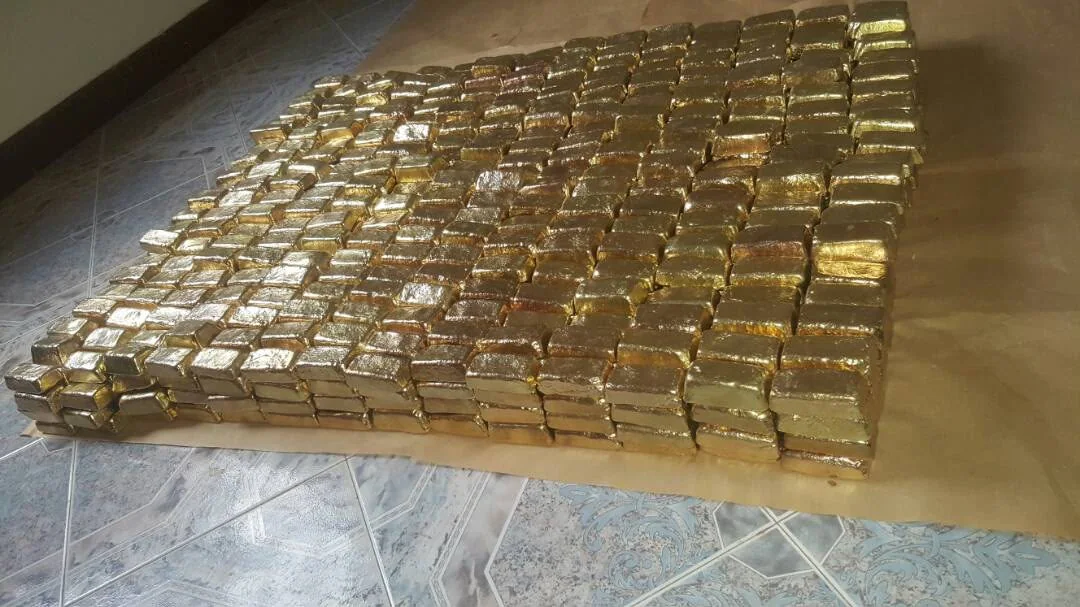
Gold import compliance begins with the destination country and the role your company will play. Customs, sanctions, anti-money-laundering, tax, product, transport, and responsible-sourcing rules can apply differently to bullion, doré, coins, jewellery, scrap, and concentrates. This guide explains the questions an international buyer should organise before material leaves the exporting country. It is educational and cannot replace advice for a specific shipment.
01
Identify the importer and destination rules
The importer of record or equivalent responsible party handles or appoints specialists to handle entry, declarations, classification, value, origin, and compliance with destination requirements.
For the client, the practical issue is scope. An exporter cannot solve destination compliance after a shipment arrives. The receiving buyer must know which entity can lawfully import and clear the material. For international importers, precious-metals dealers, refiners, jewellery manufacturers, brokers, and compliance teams, that distinction helps determine whether the evidence is strong enough for the next commitment or whether more verification is needed.
In practice, confirm importer registration, customs broker, product classification, entry process, taxes or duties, permits, and responsible internal reviewer before dispatch. The work should be proportionate to the value, variability, geography, and consequence of getting the answer wrong. Responsibilities, timing, and decision points are clearer when they are agreed before money or material moves.
Broker instructions, importer records, written classification advice, permit checks, and a shipment checklist show preparation. Records should be reviewed for consistency, not collected only to make a file look complete. Names, dates, weights, references, parties, and explanations should tell one coherent story.
Requirements differ by country, product form, value, origin, and method of transport and may change. That boundary matters because laboratory, customs, legal, financial, and commercial decisions belong to different qualified parties. A careful client uses each piece of evidence for the question it can genuinely answer.
A useful workflow starts by naming the decision, the person responsible for it, and the evidence that must exist before approval. The client can then separate mandatory requirements from useful supporting checks, record unresolved questions, and stop the process when a material inconsistency appears. This is more reliable than trying to reconstruct the reasoning after the transaction has advanced. Apply that discipline specifically to identify the importer and destination rules so the control remains connected to the question this section addresses.
At the review point, write down what is confirmed, what remains an assumption, and what would change the decision. This short record helps legal, compliance, laboratory, logistics, and commercial advisers address the right questions without blurring their roles. It also gives the client a defensible reason to proceed, pause, renegotiate, or decline.
02
Know the counterparty and beneficial owners
KYC establishes the identity, ownership, authority, business purpose, and risk profile of exporters, suppliers, intermediaries, and relevant payers or recipients.
The commercial value comes from using the information correctly. The importer needs to understand why each party is in the transaction and whether the legal, commercial, and payment relationships make sense. For international importers, precious-metals dealers, refiners, jewellery manufacturers, brokers, and compliance teams, that distinction helps determine whether the evidence is strong enough for the next commitment or whether more verification is needed.
In practice, verify registration, beneficial ownership, licences, addresses, representatives, sanctions exposure, adverse information, and bank details independently. The work should be proportionate to the value, variability, geography, and consequence of getting the answer wrong. Responsibilities, timing, and decision points are clearer when they are agreed before money or material moves.
Dated identity files, ownership charts, verification results, approvals, and explanations for third parties support onboarding. Records should be reviewed for consistency, not collected only to make a file look complete. Names, dates, weights, references, parties, and explanations should tell one coherent story.
A passport or company certificate alone does not establish source of material or funds. That boundary matters because laboratory, customs, legal, financial, and commercial decisions belong to different qualified parties. A careful client uses each piece of evidence for the question it can genuinely answer.
Before acting, the client should identify which party supplied each fact and which independent source, record, or test can verify it. Information from a seller may be necessary, but it should not be treated as independent confirmation. Where two records conflict, the conflict should be investigated and documented rather than explained away informally. Apply that discipline specifically to know the counterparty and beneficial owners so the control remains connected to the question this section addresses.
Evidence has a useful life and a defined scope. A document may be genuine but outdated, an assay may relate to a different sample, and an approval may apply only to a named party or route. Checking validity, scope, and direct connection to the current material prevents strong-looking evidence from being used for the wrong transaction.
03
Apply risk-based AML controls
Covered precious-metals businesses may need an anti-money-laundering programme proportionate to their jurisdiction and risk. Controls commonly include policies, responsible staff, internal procedures, training, monitoring, recordkeeping, and escalation.
This step protects the connection between evidence and decision. Gold transactions involving cash, third-party payments, unusual routing, secrecy, unexplained discounts, or high-risk suppliers deserve closer review. For international importers, precious-metals dealers, refiners, jewellery manufacturers, brokers, and compliance teams, that distinction helps determine whether the evidence is strong enough for the next commitment or whether more verification is needed.
In practice, assess customer, supplier, product, geography, channel, payment, and transaction behaviour rather than treating every import as the same risk. The work should be proportionate to the value, variability, geography, and consequence of getting the answer wrong. Responsibilities, timing, and decision points are clearer when they are agreed before money or material moves.
Risk ratings, monitoring records, approval notes, alerts, and any required reports show how concerns were handled. Records should be reviewed for consistency, not collected only to make a file look complete. Names, dates, weights, references, parties, and explanations should tell one coherent story.
This website cannot determine whether a particular company is a regulated dealer or what reporting it must make. That boundary matters because laboratory, customs, legal, financial, and commercial decisions belong to different qualified parties. A careful client uses each piece of evidence for the question it can genuinely answer.
Timing is part of the control. Reviews, sampling, testing, official enquiries, and third-party approvals should happen early enough for the client to respond to a problem without commercial pressure. A rushed final check is less useful when funds have moved, the shipment has departed, or contractual options have already narrowed. Apply that discipline specifically to apply risk-based aml controls so the control remains connected to the question this section addresses.
Good communication is specific. Questions should refer to the exact lot, sample seal, report number, licence, invoice, shipment, party, and date concerned. Answers should be retained with the transaction file. This makes later reconciliation easier and reduces the risk that a verbal assurance is mistaken for formal evidence.
04
Check sanctions and prohibited sources
Sanctions may restrict dealings with countries, regions, entities, individuals, vessels, banks, or property. Product-origin restrictions may apply even when an immediate seller is not listed.
The point is not to add paperwork. It is to reduce avoidable uncertainty. A transaction can be commercially attractive and analytically genuine but still prohibited or restricted. For international importers, precious-metals dealers, refiners, jewellery manufacturers, brokers, and compliance teams, that distinction helps determine whether the evidence is strong enough for the next commitment or whether more verification is needed.
In practice, screen relevant parties and locations at onboarding, before payment, before shipment, and when circumstances change. Investigate ownership and control, not names alone. The work should be proportionate to the value, variability, geography, and consequence of getting the answer wrong. Responsibilities, timing, and decision points are clearer when they are agreed before money or material moves.
Dated screening records, ownership analysis, legal advice, licences or authorisations, and approval decisions support the file. Records should be reviewed for consistency, not collected only to make a file look complete. Names, dates, weights, references, parties, and explanations should tell one coherent story.
Sanctions change frequently and require current official sources and qualified advice. That boundary matters because laboratory, customs, legal, financial, and commercial decisions belong to different qualified parties. A careful client uses each piece of evidence for the question it can genuinely answer.
The process should also allow escalation. A routine check may be enough for familiar, low-risk material, while unfamiliar parties, unusual payment requests, inconsistent weights, complex routes, or high values justify deeper review. Escalation is not an accusation. It is a proportionate response to uncertainty. Apply that discipline specifically to check sanctions and prohibited sources so the control remains connected to the question this section addresses.
If specialist interpretation is needed, use the appropriate qualified adviser. Laboratory staff can explain analytical scope, while authorities and legal, customs, financial, or logistics professionals address requirements within their own mandates. Coordinating those answers is more dependable than expecting one report or one organisation to validate the entire transaction.
05
Build a source and export document file
The importer should review the seller's authority, stated origin, production or purchase records, export licence or permit where required, commercial invoice, packing list, assay information, and customs export evidence.
For the client, the practical issue is scope. Documents should tell one consistent story about who supplied the gold, where it came from, what it is, how much is moving, and under which authority. For international importers, precious-metals dealers, refiners, jewellery manufacturers, brokers, and compliance teams, that distinction helps determine whether the evidence is strong enough for the next commitment or whether more verification is needed.
In practice, compare names, dates, weights, product descriptions, HS classification, values, permit references, and destination details before shipment. The work should be proportionate to the value, variability, geography, and consequence of getting the answer wrong. Responsibilities, timing, and decision points are clearer when they are agreed before money or material moves.
Direct issuer checks, official portal results, reconciled weights, and a controlled document index make review more reliable. Records should be reviewed for consistency, not collected only to make a file look complete. Names, dates, weights, references, parties, and explanations should tell one coherent story.
A complete file can still contain misstatements. Important information must be verified and tested against the physical material. That boundary matters because laboratory, customs, legal, financial, and commercial decisions belong to different qualified parties. A careful client uses each piece of evidence for the question it can genuinely answer.
A useful workflow starts by naming the decision, the person responsible for it, and the evidence that must exist before approval. The client can then separate mandatory requirements from useful supporting checks, record unresolved questions, and stop the process when a material inconsistency appears. This is more reliable than trying to reconstruct the reasoning after the transaction has advanced. Apply that discipline specifically to build a source and export document file so the control remains connected to the question this section addresses.
At the review point, write down what is confirmed, what remains an assumption, and what would change the decision. This short record helps legal, compliance, laboratory, logistics, and commercial advisers address the right questions without blurring their roles. It also gives the client a defensible reason to proceed, pause, renegotiate, or decline.
06
Use independent laboratory verification
An independent assay can confirm gold content for a controlled sample and help the importer compare invoice, seller report, expected value, and physical material.
The commercial value comes from using the information correctly. Pre-shipment testing may reduce analytical uncertainty, while destination testing may protect final acceptance. The contract should explain which result controls. For international importers, precious-metals dealers, refiners, jewellery manufacturers, brokers, and compliance teams, that distinction helps determine whether the evidence is strong enough for the next commitment or whether more verification is needed.
In practice, agree sampling, custody, witnesses, laboratory selection, report delivery, retained samples, and how discrepancies will be handled. The work should be proportionate to the value, variability, geography, and consequence of getting the answer wrong. Responsibilities, timing, and decision points are clearer when they are agreed before money or material moves.
Sample records, report verification, weight lists, and settlement calculations connect analytical evidence to the import file. Records should be reviewed for consistency, not collected only to make a file look complete. Names, dates, weights, references, parties, and explanations should tell one coherent story.
A laboratory report does not approve customs entry or prove origin, ownership, sanctions compliance, or lawful funds. That boundary matters because laboratory, customs, legal, financial, and commercial decisions belong to different qualified parties. A careful client uses each piece of evidence for the question it can genuinely answer.
Before acting, the client should identify which party supplied each fact and which independent source, record, or test can verify it. Information from a seller may be necessary, but it should not be treated as independent confirmation. Where two records conflict, the conflict should be investigated and documented rather than explained away informally. Apply that discipline specifically to use independent laboratory verification so the control remains connected to the question this section addresses.
Evidence has a useful life and a defined scope. A document may be genuine but outdated, an assay may relate to a different sample, and an approval may apply only to a named party or route. Checking validity, scope, and direct connection to the current material prevents strong-looking evidence from being used for the wrong transaction.
07
Prepare customs entry and transport records
Customs entry commonly requires accurate parties, product description, classification, value, origin, transport document, quantity, and supporting records. The exact forms depend on destination and shipment type.
This step protects the connection between evidence and decision. Mismatches between the invoice, airway bill, packing list, assay, and physical shipment can cause delay, examination, correction, storage cost, or enforcement concern. For international importers, precious-metals dealers, refiners, jewellery manufacturers, brokers, and compliance teams, that distinction helps determine whether the evidence is strong enough for the next commitment or whether more verification is needed.
In practice, have the broker review the draft file before dispatch and establish who will answer customs questions promptly. The work should be proportionate to the value, variability, geography, and consequence of getting the answer wrong. Responsibilities, timing, and decision points are clearer when they are agreed before money or material moves.
Final transport records, declarations, entry releases, inspection notes, and proof of delivery complete the movement file. Records should be reviewed for consistency, not collected only to make a file look complete. Names, dates, weights, references, parties, and explanations should tell one coherent story.
Laboratory or trade support does not guarantee customs release or import approval. That boundary matters because laboratory, customs, legal, financial, and commercial decisions belong to different qualified parties. A careful client uses each piece of evidence for the question it can genuinely answer.
Timing is part of the control. Reviews, sampling, testing, official enquiries, and third-party approvals should happen early enough for the client to respond to a problem without commercial pressure. A rushed final check is less useful when funds have moved, the shipment has departed, or contractual options have already narrowed. Apply that discipline specifically to prepare customs entry and transport records so the control remains connected to the question this section addresses.
Good communication is specific. Questions should refer to the exact lot, sample seal, report number, licence, invoice, shipment, party, and date concerned. Answers should be retained with the transaction file. This makes later reconciliation easier and reduces the risk that a verbal assurance is mistaken for formal evidence.
08
Retain records and review the transaction
Import compliance continues after delivery. Companies may need to retain customs, KYC, AML, source, payment, assay, transport, and decision records for legally required periods.
The point is not to add paperwork. It is to reduce avoidable uncertainty. A well-indexed file allows the importer to answer audits, buyer questions, refinery reviews, and later inconsistencies without reconstructing the transaction from memory. For international importers, precious-metals dealers, refiners, jewellery manufacturers, brokers, and compliance teams, that distinction helps determine whether the evidence is strong enough for the next commitment or whether more verification is needed.
In practice, set retention rules, access controls, document owners, review dates, and a post-transaction reconciliation of material, money, and exceptions. The work should be proportionate to the value, variability, geography, and consequence of getting the answer wrong. Responsibilities, timing, and decision points are clearer when they are agreed before money or material moves.
A final transaction index, signed approvals, issue log, corrective actions, and closure review demonstrate control. Records should be reviewed for consistency, not collected only to make a file look complete. Names, dates, weights, references, parties, and explanations should tell one coherent story.
Retention periods and privacy duties vary and should be confirmed for each jurisdiction. That boundary matters because laboratory, customs, legal, financial, and commercial decisions belong to different qualified parties. A careful client uses each piece of evidence for the question it can genuinely answer.
The process should also allow escalation. A routine check may be enough for familiar, low-risk material, while unfamiliar parties, unusual payment requests, inconsistent weights, complex routes, or high values justify deeper review. Escalation is not an accusation. It is a proportionate response to uncertainty. Apply that discipline specifically to retain records and review the transaction so the control remains connected to the question this section addresses.
If specialist interpretation is needed, use the appropriate qualified adviser. Laboratory staff can explain analytical scope, while authorities and legal, customs, financial, or logistics professionals address requirements within their own mandates. Coordinating those answers is more dependable than expecting one report or one organisation to validate the entire transaction.
Clear answers before the next step.
What Documents Do US Gold Importers Review?
US importers commonly organise commercial, transport, origin, valuation, KYC, sanctions, product, and laboratory records according to the shipment and their regulatory status. Confirm current requirements with CBP, a customs broker, and qualified compliance advisers before dispatch. Bullion, coins, jewellery, doré, and scrap may not be treated identically. The appropriate response depends on the material, jurisdiction, parties, value, and intended use, so international importers, precious-metals dealers, refiners, jewellery manufacturers, brokers, and compliance teams should confirm transaction-specific requirements before acting.
How AML Applies to Precious Metals Dealers?
Some precious-metals dealers are required to maintain AML programmes. Scope depends on definitions, thresholds, activity, and jurisdiction. Determine the company's regulatory status and design controls around actual supplier and transaction risk. Do not copy a bank programme without assessing the precious-metals business model. The appropriate response depends on the material, jurisdiction, parties, value, and intended use, so international importers, precious-metals dealers, refiners, jewellery manufacturers, brokers, and compliance teams should confirm transaction-specific requirements before acting.
What Does KYC Mean in Gold Trading?
KYC means knowing the customer or counterparty through verified identity, beneficial ownership, authority, business purpose, and risk information. Apply it to relevant suppliers, buyers, intermediaries, and payment parties. KYC documents can become outdated or misleading if not independently checked. The appropriate response depends on the material, jurisdiction, parties, value, and intended use, so international importers, precious-metals dealers, refiners, jewellery manufacturers, brokers, and compliance teams should confirm transaction-specific requirements before acting.
When Must Gold Be Declared to Customs?
Gold entering a country may need to be declared even when no duty is payable. Product form, value, travel, cargo, and destination rules affect the process. Ask the destination customs authority or broker before movement. Do not assume duty-free means declaration-free. The appropriate response depends on the material, jurisdiction, parties, value, and intended use, so international importers, precious-metals dealers, refiners, jewellery manufacturers, brokers, and compliance teams should confirm transaction-specific requirements before acting.
How Sanctions Screening Affects Gold Imports?
Sanctions screening checks whether the transaction involves restricted parties, ownership, jurisdictions, property, banks, vessels, or source. Screen at several points and use current official lists. Name screening alone may miss ownership, control, and indirect source restrictions. The appropriate response depends on the material, jurisdiction, parties, value, and intended use, so international importers, precious-metals dealers, refiners, jewellery manufacturers, brokers, and compliance teams should confirm transaction-specific requirements before acting.
What Is an Importer of Record?
The importer of record is the party legally responsible for entry information and compliance under the destination system, sometimes acting through a broker. Confirm the responsible entity and authority before shipment. A seller or adviser should not assume this role without legal capacity and agreement. The appropriate response depends on the material, jurisdiction, parties, value, and intended use, so international importers, precious-metals dealers, refiners, jewellery manufacturers, brokers, and compliance teams should confirm transaction-specific requirements before acting.
Why Country of Origin Matters?
Country of origin can influence marking, declarations, trade measures, sanctions, responsible-sourcing review, and buyer acceptance. Document the factual basis for origin and keep it consistent across the file. Shipping country and origin country are not necessarily the same. The appropriate response depends on the material, jurisdiction, parties, value, and intended use, so international importers, precious-metals dealers, refiners, jewellery manufacturers, brokers, and compliance teams should confirm transaction-specific requirements before acting.
How Long Should Transaction Records Be Kept?
Retention periods vary by jurisdiction, regulatory status, record type, and company policy. Create a schedule with qualified advice and preserve records under investigation or dispute. Deleting too early and retaining personal data indefinitely can both create risk. The appropriate response depends on the material, jurisdiction, parties, value, and intended use, so international importers, precious-metals dealers, refiners, jewellery manufacturers, brokers, and compliance teams should confirm transaction-specific requirements before acting.
Is gold bullion duty-free in the United States?
US CBP states that gold coins, medals, and bullion generally have no duty, but they must still be declared. Other forms and circumstances may differ. Confirm the current classification and entry requirements with CBP or a broker. Duty treatment does not remove sanctions, declaration, or other compliance duties. The appropriate response depends on the material, jurisdiction, parties, value, and intended use, so international importers, precious-metals dealers, refiners, jewellery manufacturers, brokers, and compliance teams should confirm transaction-specific requirements before acting.
Does every gold importer need an AML programme?
No universal answer applies. Requirements depend on jurisdiction, business activity, definitions, thresholds, and regulatory status. Obtain advice for the importing entity and business model. Voluntary risk controls may still be prudent even where a specific programme rule does not apply. The appropriate response depends on the material, jurisdiction, parties, value, and intended use, so international importers, precious-metals dealers, refiners, jewellery manufacturers, brokers, and compliance teams should confirm transaction-specific requirements before acting.
Can Bilex approve an import?
No. Bilex can provide laboratory evidence and selected coordination support, but customs and other authorities make decisions within their mandates. Use qualified destination advisers and official channels. No adviser should guarantee import approval. The appropriate response depends on the material, jurisdiction, parties, value, and intended use, so international importers, precious-metals dealers, refiners, jewellery manufacturers, brokers, and compliance teams should confirm transaction-specific requirements before acting.
Should gold be tested before or after import?
The contract and risk profile may justify pre-shipment testing, destination testing, or both. Each controls different points in the chain. Agree sampling, governing result, and discrepancy procedures before shipment. Testing after uncontrolled movement may create identity disputes. The appropriate response depends on the material, jurisdiction, parties, value, and intended use, so international importers, precious-metals dealers, refiners, jewellery manufacturers, brokers, and compliance teams should confirm transaction-specific requirements before acting.
Official and primary sources
Verify requirements at the source.
Official customs information on declaring bullion, gold coins, and medals when entering the United States.
FinCEN Guidance for Precious Metals DealersOfficial guidance on risk assessment and anti-money-laundering programmes for covered dealers.
US SEC Conflict Minerals RuleOfficial overview of the disclosure rule implementing Section 1502 of the Dodd-Frank Act.
OECD Due Diligence Guidance for Responsible Mineral Supply ChainsGovernment-backed risk-based guidance for companies across mineral supply chains.