
Definitive purity guide · Gold Purity
Understanding Gold Purity Standards
Understand fineness, karat, 9999, 999, 995, hallmarks, bullion specifications, and how laboratories report gold content.
What this guide establishes
- Fineness expresses gold in parts per thousand, while karat uses 24 parts.
- 24 karat is a category, not an automatic guarantee of 9999 fineness.
- Hallmarks and stamps are claims that should be connected to testing and identity.
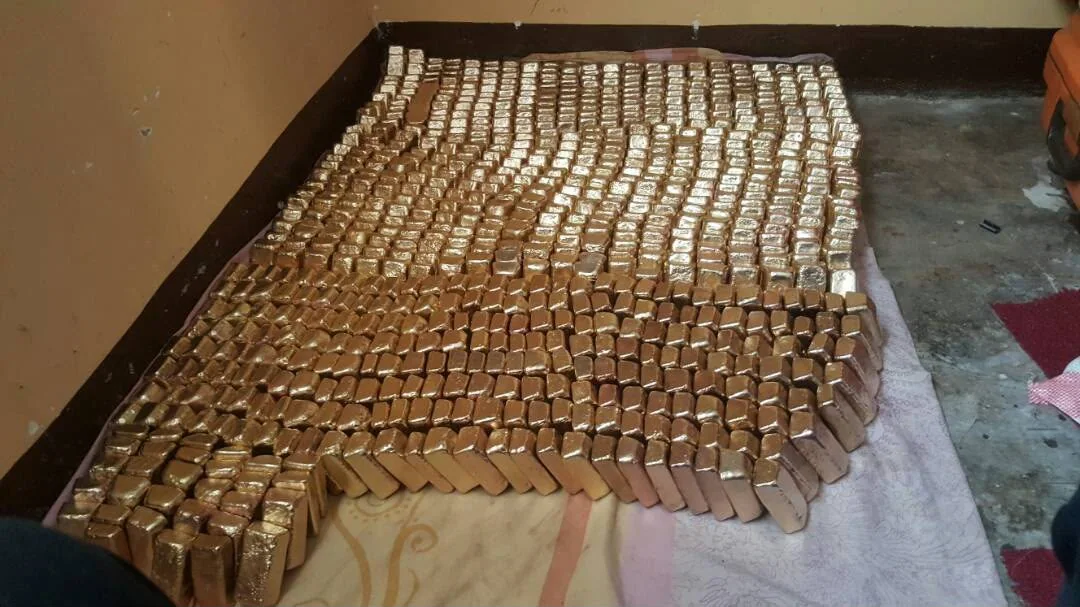
Gold purity can be stated in several systems. A report may use percentage, parts per thousand, fineness, or karat. A bar may carry a hallmark, a refinery mark, or a commercial description such as 995. These labels are useful only when the buyer understands what they mean, how the claim was verified, and whether the tested sample represents the material being traded.
01
Fineness in parts per thousand
Fineness expresses the proportion of gold in one thousand parts of material. A result of 999 means approximately 999 parts gold and one part other material per thousand on the stated analytical basis.
For the client, the practical issue is scope. Fineness gives buyers and refiners a precise commercial language for comparing material and calculating contained gold. For buyers, jewellery manufacturers, investors, exporters, refiners, and customs reviewers, that distinction helps determine whether the evidence is strong enough for the next commitment or whether more verification is needed.
In practice, keep the original laboratory units, note rounding, and confirm whether the value is measured, minimum specification, or stamped claim. The work should be proportionate to the value, variability, geography, and consequence of getting the answer wrong. Responsibilities, timing, and decision points are clearer when they are agreed before money or material moves.
An assay report, refinery certificate, bar identity, and transaction specification should use consistent units and references. Records should be reviewed for consistency, not collected only to make a file look complete. Names, dates, weights, references, parties, and explanations should tell one coherent story.
A fineness number without a representative sample and verified document may describe only a claim or one tested portion. That boundary matters because laboratory, customs, legal, financial, and commercial decisions belong to different qualified parties. A careful client uses each piece of evidence for the question it can genuinely answer.
A useful workflow starts by naming the decision, the person responsible for it, and the evidence that must exist before approval. The client can then separate mandatory requirements from useful supporting checks, record unresolved questions, and stop the process when a material inconsistency appears. This is more reliable than trying to reconstruct the reasoning after the transaction has advanced. Apply that discipline specifically to fineness in parts per thousand so the control remains connected to the question this section addresses.
At the review point, write down what is confirmed, what remains an assumption, and what would change the decision. This short record helps legal, compliance, laboratory, logistics, and commercial advisers address the right questions without blurring their roles. It also gives the client a defensible reason to proceed, pause, renegotiate, or decline.
02
Karat and the 24-part system
Karat expresses gold content in 24 parts. Pure gold is described as 24 karat, 18 karat is 18 parts gold in 24, and 14 karat is 14 parts gold in 24. The system is common in jewellery.
The commercial value comes from using the information correctly. Karat helps consumers understand jewellery grades, but commercial bullion transactions usually need the more precise fineness or assay result. For buyers, jewellery manufacturers, investors, exporters, refiners, and customs reviewers, that distinction helps determine whether the evidence is strong enough for the next commitment or whether more verification is needed.
In practice, convert karat to approximate fineness by dividing by 24, then confirm the actual tested value rather than relying only on the nominal grade. The work should be proportionate to the value, variability, geography, and consequence of getting the answer wrong. Responsibilities, timing, and decision points are clearer when they are agreed before money or material moves.
Hallmarks, manufacturer records, XRF screening, and sampled analysis can each provide different levels of support. Records should be reviewed for consistency, not collected only to make a file look complete. Names, dates, weights, references, parties, and explanations should tell one coherent story.
A 24K mark does not prove 100 percent gold and may correspond to different legal tolerances or commercial specifications. That boundary matters because laboratory, customs, legal, financial, and commercial decisions belong to different qualified parties. A careful client uses each piece of evidence for the question it can genuinely answer.
Before acting, the client should identify which party supplied each fact and which independent source, record, or test can verify it. Information from a seller may be necessary, but it should not be treated as independent confirmation. Where two records conflict, the conflict should be investigated and documented rather than explained away informally. Apply that discipline specifically to karat and the 24-part system so the control remains connected to the question this section addresses.
Evidence has a useful life and a defined scope. A document may be genuine but outdated, an assay may relate to a different sample, and an approval may apply only to a named party or route. Checking validity, scope, and direct connection to the current material prevents strong-looking evidence from being used for the wrong transaction.
03
24 karat, 999, and 9999
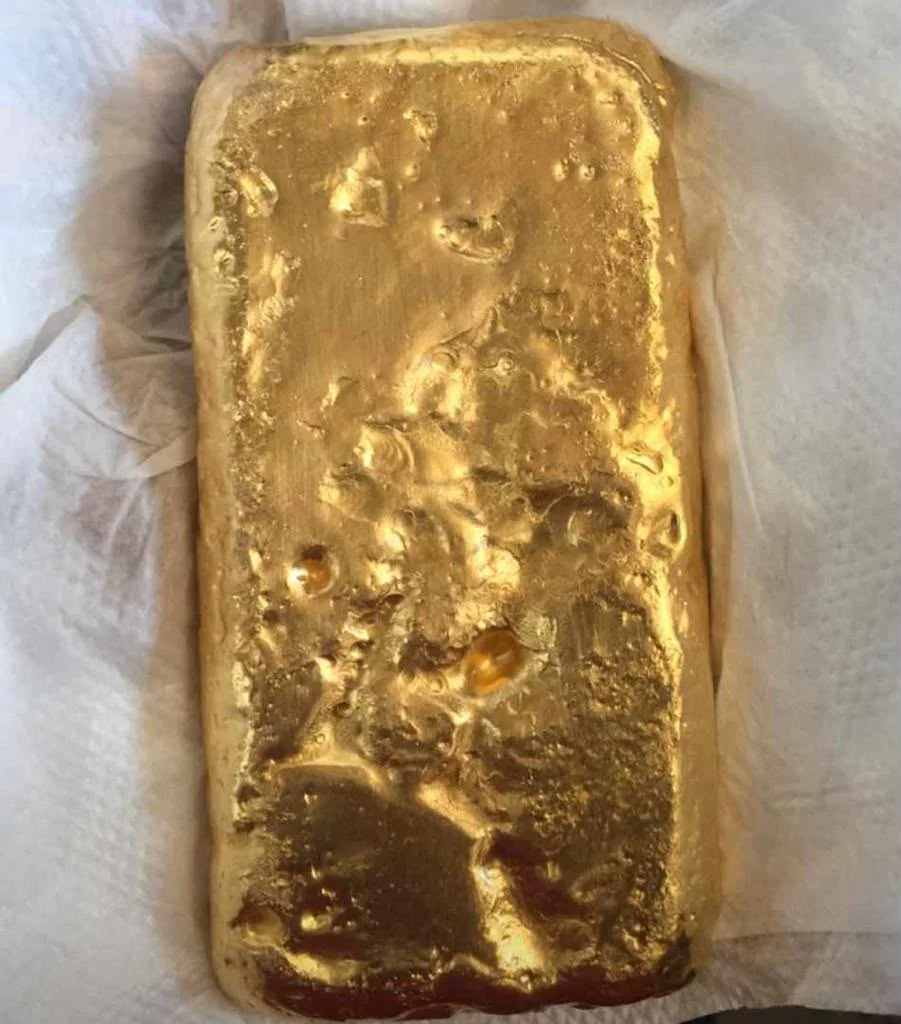
The terms are related but not identical. 999 fineness represents 99.9 percent gold, while 9999 represents 99.99 percent. Both may be described commercially as 24 karat because karat is a broader 24-part system.
This step protects the connection between evidence and decision. Small decimal differences can represent material value in a large lot, so contracts should use a precise fineness and reporting basis. For buyers, jewellery manufacturers, investors, exporters, refiners, and customs reviewers, that distinction helps determine whether the evidence is strong enough for the next commitment or whether more verification is needed.
In practice, write the required specification clearly and avoid substituting a general karat label for a measured assay value. The work should be proportionate to the value, variability, geography, and consequence of getting the answer wrong. Responsibilities, timing, and decision points are clearer when they are agreed before money or material moves.
A report should state the result, units, method, sample reference, and whether rounding has been applied. Records should be reviewed for consistency, not collected only to make a file look complete. Names, dates, weights, references, parties, and explanations should tell one coherent story.
No stamp or verbal description can establish that a present bar meets the claimed fineness. That boundary matters because laboratory, customs, legal, financial, and commercial decisions belong to different qualified parties. A careful client uses each piece of evidence for the question it can genuinely answer.
Timing is part of the control. Reviews, sampling, testing, official enquiries, and third-party approvals should happen early enough for the client to respond to a problem without commercial pressure. A rushed final check is less useful when funds have moved, the shipment has departed, or contractual options have already narrowed. Apply that discipline specifically to 24 karat, 999, and 9999 so the control remains connected to the question this section addresses.
Good communication is specific. Questions should refer to the exact lot, sample seal, report number, licence, invoice, shipment, party, and date concerned. Answers should be retained with the transaction file. This makes later reconciliation easier and reduces the risk that a verbal assurance is mistaken for formal evidence.
04
What 995 gold means
995 fineness means approximately 995 parts gold per thousand parts of material, or 99.5 percent on the stated basis. It is a common commercial threshold in some bullion and refining contexts.
The point is not to add paperwork. It is to reduce avoidable uncertainty. A buyer needs to know whether 995 is a minimum specification, a nominal product grade, or the actual assay result for the submitted sample. For buyers, jewellery manufacturers, investors, exporters, refiners, and customs reviewers, that distinction helps determine whether the evidence is strong enough for the next commitment or whether more verification is needed.
In practice, compare the contract specification with the independent report and calculate payable metal using the agreed settlement terms. The work should be proportionate to the value, variability, geography, and consequence of getting the answer wrong. Responsibilities, timing, and decision points are clearer when they are agreed before money or material moves.
Bar marks, refinery documents, weighing records, and assay reports should identify the same material. Records should be reviewed for consistency, not collected only to make a file look complete. Names, dates, weights, references, parties, and explanations should tell one coherent story.
A 995 stamp is not a substitute for independent testing where identity or transaction risk is material. That boundary matters because laboratory, customs, legal, financial, and commercial decisions belong to different qualified parties. A careful client uses each piece of evidence for the question it can genuinely answer.
The process should also allow escalation. A routine check may be enough for familiar, low-risk material, while unfamiliar parties, unusual payment requests, inconsistent weights, complex routes, or high values justify deeper review. Escalation is not an accusation. It is a proportionate response to uncertainty. Apply that discipline specifically to what 995 gold means so the control remains connected to the question this section addresses.
If specialist interpretation is needed, use the appropriate qualified adviser. Laboratory staff can explain analytical scope, while authorities and legal, customs, financial, or logistics professionals address requirements within their own mandates. Coordinating those answers is more dependable than expecting one report or one organisation to validate the entire transaction.
05
Bullion standards and product specifications
Bullion products are made to stated dimensions, weights, and purity specifications. Market acceptance depends on producer reputation, identity controls, documentation, and the requirements of the receiving buyer or venue.
For the client, the practical issue is scope. A bar can contain high-purity gold and still be unsuitable for a particular market if its producer, form, documentation, or chain of custody does not meet the buyer's rules. For buyers, jewellery manufacturers, investors, exporters, refiners, and customs reviewers, that distinction helps determine whether the evidence is strong enough for the next commitment or whether more verification is needed.
In practice, confirm the destination specification before refining, casting, shipping, or agreeing price terms. The work should be proportionate to the value, variability, geography, and consequence of getting the answer wrong. Responsibilities, timing, and decision points are clearer when they are agreed before money or material moves.
Producer records, serial numbers, weight lists, assay documents, packing records, and direct verification support product identity. Records should be reviewed for consistency, not collected only to make a file look complete. Names, dates, weights, references, parties, and explanations should tell one coherent story.
Laboratory purity alone does not create market accreditation or acceptance. That boundary matters because laboratory, customs, legal, financial, and commercial decisions belong to different qualified parties. A careful client uses each piece of evidence for the question it can genuinely answer.
A useful workflow starts by naming the decision, the person responsible for it, and the evidence that must exist before approval. The client can then separate mandatory requirements from useful supporting checks, record unresolved questions, and stop the process when a material inconsistency appears. This is more reliable than trying to reconstruct the reasoning after the transaction has advanced. Apply that discipline specifically to bullion standards and product specifications so the control remains connected to the question this section addresses.
At the review point, write down what is confirmed, what remains an assumption, and what would change the decision. This short record helps legal, compliance, laboratory, logistics, and commercial advisers address the right questions without blurring their roles. It also gives the client a defensible reason to proceed, pause, renegotiate, or decline.
06
Hallmarks, stamps, and responsibility marks
A hallmark or fineness stamp is a visible statement about metal quality. Some jurisdictions regulate how marks are applied and may require a maker or responsibility mark. Practices differ by country and product.
The commercial value comes from using the information correctly. Marks help organise identity checks, but a buyer should treat them as one part of the evidence rather than proof of composition. For buyers, jewellery manufacturers, investors, exporters, refiners, and customs reviewers, that distinction helps determine whether the evidence is strong enough for the next commitment or whether more verification is needed.
In practice, record every mark, compare it with credible producer information, and use laboratory testing where value or uncertainty justifies it. The work should be proportionate to the value, variability, geography, and consequence of getting the answer wrong. Responsibilities, timing, and decision points are clearer when they are agreed before money or material moves.
Clear photographs, serial-number records, producer confirmation, and assay results form a stronger identity file. Records should be reviewed for consistency, not collected only to make a file look complete. Names, dates, weights, references, parties, and explanations should tell one coherent story.
Stamps can be copied, altered, or placed on material that does not match the claim. That boundary matters because laboratory, customs, legal, financial, and commercial decisions belong to different qualified parties. A careful client uses each piece of evidence for the question it can genuinely answer.
Before acting, the client should identify which party supplied each fact and which independent source, record, or test can verify it. Information from a seller may be necessary, but it should not be treated as independent confirmation. Where two records conflict, the conflict should be investigated and documented rather than explained away informally. Apply that discipline specifically to hallmarks, stamps, and responsibility marks so the control remains connected to the question this section addresses.
Evidence has a useful life and a defined scope. A document may be genuine but outdated, an assay may relate to a different sample, and an approval may apply only to a named party or route. Checking validity, scope, and direct connection to the current material prevents strong-looking evidence from being used for the wrong transaction.
07
Doré, bullion, and refined gold
Doré is an intermediate alloy produced before final refining and may contain gold, silver, copper, and other elements. Bullion generally refers to precious metal valued primarily by weight and purity. Refined gold has undergone further processing to reach a target specification.
This step protects the connection between evidence and decision. The product description affects sampling, testing, valuation, refining expectations, and destination requirements. For buyers, jewellery manufacturers, investors, exporters, refiners, and customs reviewers, that distinction helps determine whether the evidence is strong enough for the next commitment or whether more verification is needed.
In practice, describe the material honestly, use multi-point screening for variation, and choose representative sampling for settlement analysis. The work should be proportionate to the value, variability, geography, and consequence of getting the answer wrong. Responsibilities, timing, and decision points are clearer when they are agreed before money or material moves.
Production records, lot weights, assay results, photographs, and refining statements should stay connected to the lot. Records should be reviewed for consistency, not collected only to make a file look complete. Names, dates, weights, references, parties, and explanations should tell one coherent story.
An unfinished gold-coloured bar should not be described as high-purity bullion without evidence. That boundary matters because laboratory, customs, legal, financial, and commercial decisions belong to different qualified parties. A careful client uses each piece of evidence for the question it can genuinely answer.
Timing is part of the control. Reviews, sampling, testing, official enquiries, and third-party approvals should happen early enough for the client to respond to a problem without commercial pressure. A rushed final check is less useful when funds have moved, the shipment has departed, or contractual options have already narrowed. Apply that discipline specifically to doré, bullion, and refined gold so the control remains connected to the question this section addresses.
Good communication is specific. Questions should refer to the exact lot, sample seal, report number, licence, invoice, shipment, party, and date concerned. Answers should be retained with the transaction file. This makes later reconciliation easier and reduces the risk that a verbal assurance is mistaken for formal evidence.
08
Using purity results in a transaction
Purity becomes commercially useful when combined with verified weight, agreed payable terms, deductions, and the correct sample identity. Contained gold is commonly estimated by multiplying net weight by the reported gold fraction.
The point is not to add paperwork. It is to reduce avoidable uncertainty. A clear calculation helps buyers and sellers see how an assay difference affects settlement instead of arguing over an isolated number. For buyers, jewellery manufacturers, investors, exporters, refiners, and customs reviewers, that distinction helps determine whether the evidence is strong enough for the next commitment or whether more verification is needed.
In practice, record the weighing basis, units, moisture or packaging treatment where relevant, assay result, and contractual calculation. The work should be proportionate to the value, variability, geography, and consequence of getting the answer wrong. Responsibilities, timing, and decision points are clearer when they are agreed before money or material moves.
Witnessed weights, calibrated balance records, sealed samples, reports, and signed settlement sheets support reconciliation. Records should be reviewed for consistency, not collected only to make a file look complete. Names, dates, weights, references, parties, and explanations should tell one coherent story.
The laboratory reports composition. It does not set market price, ownership, payment terms, or legal entitlement. That boundary matters because laboratory, customs, legal, financial, and commercial decisions belong to different qualified parties. A careful client uses each piece of evidence for the question it can genuinely answer.
The process should also allow escalation. A routine check may be enough for familiar, low-risk material, while unfamiliar parties, unusual payment requests, inconsistent weights, complex routes, or high values justify deeper review. Escalation is not an accusation. It is a proportionate response to uncertainty. Apply that discipline specifically to using purity results in a transaction so the control remains connected to the question this section addresses.
If specialist interpretation is needed, use the appropriate qualified adviser. Laboratory staff can explain analytical scope, while authorities and legal, customs, financial, or logistics professionals address requirements within their own mandates. Coordinating those answers is more dependable than expecting one report or one organisation to validate the entire transaction.
Clear answers before the next step.
What Does 999 Gold Mean?
999 gold means 999 parts gold per thousand parts of material, or 99.9 percent on the stated basis. Confirm whether 999 is a measured result, a minimum specification, or only a stamp. The number does not identify who made the bar or prove the present item's origin. The appropriate response depends on the material, jurisdiction, parties, value, and intended use, so buyers, jewellery manufacturers, investors, exporters, refiners, and customs reviewers should confirm transaction-specific requirements before acting.
24 Karat vs 999 Fine Gold?
24 karat uses a 24-part system, while 999 fineness uses parts per thousand. 999 gold is commonly described as 24 karat, but the expressions have different precision. Use fineness in contracts where small purity differences affect value. A 24K mark should not be read as an automatic 9999 assay result. The appropriate response depends on the material, jurisdiction, parties, value, and intended use, so buyers, jewellery manufacturers, investors, exporters, refiners, and customs reviewers should confirm transaction-specific requirements before acting.
What Is 995 Gold?
995 fineness means approximately 99.5 percent gold by mass on the reported basis. Check whether the buyer requires a minimum 995 specification or will settle on the actual assay. A stamp alone does not prove that the submitted bar meets the grade. The appropriate response depends on the material, jurisdiction, parties, value, and intended use, so buyers, jewellery manufacturers, investors, exporters, refiners, and customs reviewers should confirm transaction-specific requirements before acting.
How to Convert Karats to Fineness?
Approximate fineness equals karat divided by 24 and multiplied by 1,000. For example, 18 karat corresponds nominally to 750 fineness. Keep the result as an approximate grade until laboratory testing confirms the actual alloy. Legal tolerances and manufacturing variation can make the tested value different from the simple conversion. The appropriate response depends on the material, jurisdiction, parties, value, and intended use, so buyers, jewellery manufacturers, investors, exporters, refiners, and customs reviewers should confirm transaction-specific requirements before acting.
What Is Doré Gold?
Doré is an unrefined or partly refined precious-metal alloy that commonly contains gold with silver and other metals. Use representative testing and describe the material as doré until refining establishes the final product. Appearance cannot establish purity or uniformity. The appropriate response depends on the material, jurisdiction, parties, value, and intended use, so buyers, jewellery manufacturers, investors, exporters, refiners, and customs reviewers should confirm transaction-specific requirements before acting.
What Do Gold Hallmarks Prove?
A hallmark or fineness mark states a claimed metal quality under the relevant marking system. It can support identity but is not laboratory proof by itself. Record the marks and check the responsible maker or sponsor where applicable. Marks can be copied or applied to material that does not match. The appropriate response depends on the material, jurisdiction, parties, value, and intended use, so buyers, jewellery manufacturers, investors, exporters, refiners, and customs reviewers should confirm transaction-specific requirements before acting.
Why Bullion Purity Can Vary?
Purity can vary because of incomplete mixing, contamination, processing history, or differences between surface and interior. Use a sampling plan suited to the bar or lot rather than assuming uniformity. Small variation may be real, analytical, or sampling-related and should be investigated before settlement. The appropriate response depends on the material, jurisdiction, parties, value, and intended use, so buyers, jewellery manufacturers, investors, exporters, refiners, and customs reviewers should confirm transaction-specific requirements before acting.
How Refineries Report Gold Fineness?
Refineries commonly report fineness with product or lot identity, weight, and other processing information. The exact format depends on the refinery and buyer requirements. Verify documents directly and compare every reference with the present material. A refinery name on a document does not prove the document belongs to the current bar. The appropriate response depends on the material, jurisdiction, parties, value, and intended use, so buyers, jewellery manufacturers, investors, exporters, refiners, and customs reviewers should confirm transaction-specific requirements before acting.
Is pure gold exactly 100 percent?
In practical commercial and laboratory work, high-purity gold is reported to a stated fineness and uncertainty rather than assumed to be absolutely free of every other element. Use the measured fineness and reporting basis in calculations. Avoid replacing a precise report with the general phrase pure gold. The appropriate response depends on the material, jurisdiction, parties, value, and intended use, so buyers, jewellery manufacturers, investors, exporters, refiners, and customs reviewers should confirm transaction-specific requirements before acting.
Does a higher karat always mean better gold?
A higher karat means a higher nominal gold proportion, but suitability depends on use. Jewellery may need alloy strength, while bullion buyers may prioritise fineness. Judge the material against the intended purpose and specification. Purity is one quality measure, not proof of origin or market acceptance. The appropriate response depends on the material, jurisdiction, parties, value, and intended use, so buyers, jewellery manufacturers, investors, exporters, refiners, and customs reviewers should confirm transaction-specific requirements before acting.
Can XRF convert directly to karat?
An XRF result may be expressed or interpreted in karat terms, but the underlying elemental measurement and surface limitations still apply. Keep the original result and ask how any conversion was made. A displayed karat value can hide important uncertainty or variation. The appropriate response depends on the material, jurisdiction, parties, value, and intended use, so buyers, jewellery manufacturers, investors, exporters, refiners, and customs reviewers should confirm transaction-specific requirements before acting.
What purity does a gold buyer usually require?
Requirements vary by buyer, refinery, product, destination, and contract. There is no single universal grade for every transaction. Confirm the specification before testing or shipping. Do not assume a familiar grade will be accepted in a different market. The appropriate response depends on the material, jurisdiction, parties, value, and intended use, so buyers, jewellery manufacturers, investors, exporters, refiners, and customs reviewers should confirm transaction-specific requirements before acting.