
Reference guide · Glossary
Precious Metals Industry Glossary
Plain-language definitions for assaying, bullion, doré, cupellation, fineness, karat, LBMA, traceability, refining, XRF, ICP, and related terms.
What this guide establishes
- Technical terms should remain connected to sample, method, units, and context.
- Commercial labels such as bullion or 24 karat are not substitutes for verification.
- Traceability, custody, testing, and responsible sourcing answer related but different questions.
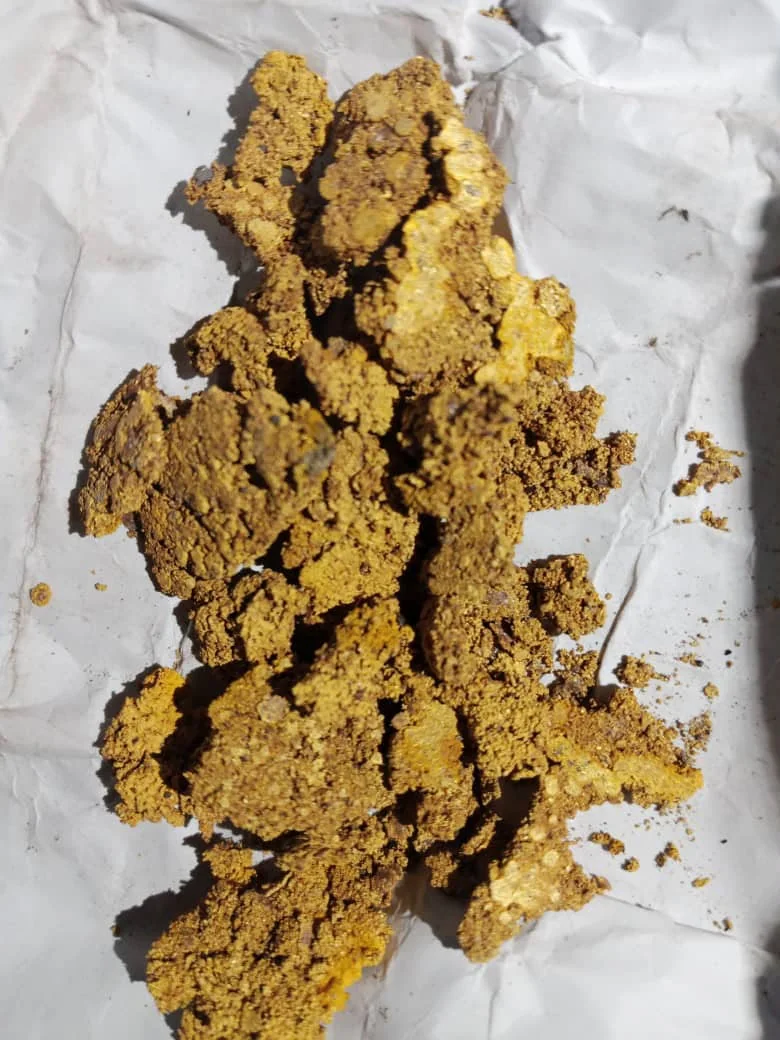
Precious-metals transactions use technical, commercial, compliance, and logistics language. A familiar word can mean something narrower in a laboratory report than it does in a sales conversation. This glossary explains the terms a buyer, exporter, miner, refiner, investor, or public officer is most likely to encounter and shows what each term does and does not establish.
01
Assay
An assay is a controlled analytical determination of one or more components in a submitted sample. In gold work, it commonly reports gold content using a stated method and unit.
For the client, the practical issue is scope. Buyers, miners, refiners, and exporters use assays for verification, process control, valuation inputs, or settlement discussions. For buyers, exporters, miners, refiners, investors, manufacturers, and public officers, that distinction helps determine whether the evidence is strong enough for the next commitment or whether more verification is needed.
In practice, when this term appears in a report, contract, invoice, or discussion, ask which material, method, unit, organisation, or process it refers to. Record that definition in the transaction file so every party uses the word consistently. The work should be proportionate to the value, variability, geography, and consequence of getting the answer wrong. Responsibilities, timing, and decision points are clearer when they are agreed before money or material moves.
The strongest support comes from the underlying records rather than the label itself. Match the term to sample references, laboratory documents, product specifications, custody records, or official sources as appropriate. Records should be reviewed for consistency, not collected only to make a file look complete. Names, dates, weights, references, parties, and explanations should tell one coherent story.
The result normally represents the tested sample and should not be expanded to an unsampled lot. That boundary matters because laboratory, customs, legal, financial, and commercial decisions belong to different qualified parties. A careful client uses each piece of evidence for the question it can genuinely answer.
02
Bullion
Bullion is precious metal valued mainly by weight and purity rather than artistic or face value. It may be produced as bars, ingots, wafers, or recognised investment products.
The commercial value comes from using the information correctly. Product specifications, producer identity, serial records, weight, fineness, and market requirements affect acceptance. For buyers, exporters, miners, refiners, investors, manufacturers, and public officers, that distinction helps determine whether the evidence is strong enough for the next commitment or whether more verification is needed.
In practice, when this term appears in a report, contract, invoice, or discussion, ask which material, method, unit, organisation, or process it refers to. Record that definition in the transaction file so every party uses the word consistently. The work should be proportionate to the value, variability, geography, and consequence of getting the answer wrong. Responsibilities, timing, and decision points are clearer when they are agreed before money or material moves.
The strongest support comes from the underlying records rather than the label itself. Match the term to sample references, laboratory documents, product specifications, custody records, or official sources as appropriate. Records should be reviewed for consistency, not collected only to make a file look complete. Names, dates, weights, references, parties, and explanations should tell one coherent story.
A bar shape or stamp does not prove that an item is genuine bullion. That boundary matters because laboratory, customs, legal, financial, and commercial decisions belong to different qualified parties. A careful client uses each piece of evidence for the question it can genuinely answer.
03
Doré
Doré is an intermediate, partly refined alloy containing gold with silver and other metals. It is commonly produced before final refinery separation and upgrading.
This step protects the connection between evidence and decision. Doré normally requires representative sampling and assay for commercial evaluation and refining. For buyers, exporters, miners, refiners, investors, manufacturers, and public officers, that distinction helps determine whether the evidence is strong enough for the next commitment or whether more verification is needed.
In practice, when this term appears in a report, contract, invoice, or discussion, ask which material, method, unit, organisation, or process it refers to. Record that definition in the transaction file so every party uses the word consistently. The work should be proportionate to the value, variability, geography, and consequence of getting the answer wrong. Responsibilities, timing, and decision points are clearer when they are agreed before money or material moves.
The strongest support comes from the underlying records rather than the label itself. Match the term to sample references, laboratory documents, product specifications, custody records, or official sources as appropriate. Records should be reviewed for consistency, not collected only to make a file look complete. Names, dates, weights, references, parties, and explanations should tell one coherent story.
Doré may be heterogeneous and should not be described as refined high-purity bullion without evidence. That boundary matters because laboratory, customs, legal, financial, and commercial decisions belong to different qualified parties. A careful client uses each piece of evidence for the question it can genuinely answer.
04
Cupellation
Cupellation is a high-temperature separation stage used in Fire Assay. Lead and other base components are oxidised and absorbed, leaving a small precious-metal bead for further treatment and measurement.
The point is not to add paperwork. It is to reduce avoidable uncertainty. The step helps isolate precious metals from the fused test portion. For buyers, exporters, miners, refiners, investors, manufacturers, and public officers, that distinction helps determine whether the evidence is strong enough for the next commitment or whether more verification is needed.
In practice, when this term appears in a report, contract, invoice, or discussion, ask which material, method, unit, organisation, or process it refers to. Record that definition in the transaction file so every party uses the word consistently. The work should be proportionate to the value, variability, geography, and consequence of getting the answer wrong. Responsibilities, timing, and decision points are clearer when they are agreed before money or material moves.
The strongest support comes from the underlying records rather than the label itself. Match the term to sample references, laboratory documents, product specifications, custody records, or official sources as appropriate. Records should be reviewed for consistency, not collected only to make a file look complete. Names, dates, weights, references, parties, and explanations should tell one coherent story.
Correct furnace conditions, cupels, controls, and skilled observation are essential. That boundary matters because laboratory, customs, legal, financial, and commercial decisions belong to different qualified parties. A careful client uses each piece of evidence for the question it can genuinely answer.
05
Fineness
Fineness expresses precious-metal content in parts per thousand. Gold reported at 999 fineness contains approximately 999 parts gold per 1,000 on the stated analytical basis.
For the client, the practical issue is scope. Fineness provides a precise language for bullion specifications and settlement calculations. For buyers, exporters, miners, refiners, investors, manufacturers, and public officers, that distinction helps determine whether the evidence is strong enough for the next commitment or whether more verification is needed.
In practice, when this term appears in a report, contract, invoice, or discussion, ask which material, method, unit, organisation, or process it refers to. Record that definition in the transaction file so every party uses the word consistently. The work should be proportionate to the value, variability, geography, and consequence of getting the answer wrong. Responsibilities, timing, and decision points are clearer when they are agreed before money or material moves.
The strongest support comes from the underlying records rather than the label itself. Match the term to sample references, laboratory documents, product specifications, custody records, or official sources as appropriate. Records should be reviewed for consistency, not collected only to make a file look complete. Names, dates, weights, references, parties, and explanations should tell one coherent story.
A fineness stamp is a claim until it is connected to verified material and testing. That boundary matters because laboratory, customs, legal, financial, and commercial decisions belong to different qualified parties. A careful client uses each piece of evidence for the question it can genuinely answer.
06
Karat
Karat describes gold purity using 24 parts. Eighteen karat is nominally 18 parts gold in 24, which corresponds to approximately 750 fineness.
The commercial value comes from using the information correctly. Karat is common in jewellery descriptions and consumer marking. For buyers, exporters, miners, refiners, investors, manufacturers, and public officers, that distinction helps determine whether the evidence is strong enough for the next commitment or whether more verification is needed.
In practice, when this term appears in a report, contract, invoice, or discussion, ask which material, method, unit, organisation, or process it refers to. Record that definition in the transaction file so every party uses the word consistently. The work should be proportionate to the value, variability, geography, and consequence of getting the answer wrong. Responsibilities, timing, and decision points are clearer when they are agreed before money or material moves.
The strongest support comes from the underlying records rather than the label itself. Match the term to sample references, laboratory documents, product specifications, custody records, or official sources as appropriate. Records should be reviewed for consistency, not collected only to make a file look complete. Names, dates, weights, references, parties, and explanations should tell one coherent story.
Nominal karat does not replace an actual assay where precise composition matters. That boundary matters because laboratory, customs, legal, financial, and commercial decisions belong to different qualified parties. A careful client uses each piece of evidence for the question it can genuinely answer.
07
LBMA
LBMA stands for the London Bullion Market Association. It publishes market standards and operates the Good Delivery system for refiners meeting its requirements.
This step protects the connection between evidence and decision. Buyers may refer to LBMA standards, responsible sourcing guidance, or listed refiners in acceptance criteria. For buyers, exporters, miners, refiners, investors, manufacturers, and public officers, that distinction helps determine whether the evidence is strong enough for the next commitment or whether more verification is needed.
In practice, when this term appears in a report, contract, invoice, or discussion, ask which material, method, unit, organisation, or process it refers to. Record that definition in the transaction file so every party uses the word consistently. The work should be proportionate to the value, variability, geography, and consequence of getting the answer wrong. Responsibilities, timing, and decision points are clearer when they are agreed before money or material moves.
The strongest support comes from the underlying records rather than the label itself. Match the term to sample references, laboratory documents, product specifications, custody records, or official sources as appropriate. Records should be reviewed for consistency, not collected only to make a file look complete. Names, dates, weights, references, parties, and explanations should tell one coherent story.
Using the letters LBMA does not make a bar, laboratory, trader, or transaction accredited. That boundary matters because laboratory, customs, legal, financial, and commercial decisions belong to different qualified parties. A careful client uses each piece of evidence for the question it can genuinely answer.
08
Traceability
Traceability is the ability to follow material and related information through stages of production, purchase, transport, processing, and sale.
The point is not to add paperwork. It is to reduce avoidable uncertainty. Lot IDs, weights, invoices, transport records, source records, and reconciliations support traceability. For buyers, exporters, miners, refiners, investors, manufacturers, and public officers, that distinction helps determine whether the evidence is strong enough for the next commitment or whether more verification is needed.
In practice, when this term appears in a report, contract, invoice, or discussion, ask which material, method, unit, organisation, or process it refers to. Record that definition in the transaction file so every party uses the word consistently. The work should be proportionate to the value, variability, geography, and consequence of getting the answer wrong. Responsibilities, timing, and decision points are clearer when they are agreed before money or material moves.
The strongest support comes from the underlying records rather than the label itself. Match the term to sample references, laboratory documents, product specifications, custody records, or official sources as appropriate. Records should be reviewed for consistency, not collected only to make a file look complete. Names, dates, weights, references, parties, and explanations should tell one coherent story.
Traceability is an input to due diligence and does not prove that every activity was responsible. That boundary matters because laboratory, customs, legal, financial, and commercial decisions belong to different qualified parties. A careful client uses each piece of evidence for the question it can genuinely answer.
09
Chain of custody
Chain of custody is the documented sequence showing who controlled a material or sample, when transfers occurred, and how identity was protected.
For the client, the practical issue is scope. Seals, signatures, photographs, timestamps, storage records, and transfer logs support custody. For buyers, exporters, miners, refiners, investors, manufacturers, and public officers, that distinction helps determine whether the evidence is strong enough for the next commitment or whether more verification is needed.
In practice, when this term appears in a report, contract, invoice, or discussion, ask which material, method, unit, organisation, or process it refers to. Record that definition in the transaction file so every party uses the word consistently. The work should be proportionate to the value, variability, geography, and consequence of getting the answer wrong. Responsibilities, timing, and decision points are clearer when they are agreed before money or material moves.
The strongest support comes from the underlying records rather than the label itself. Match the term to sample references, laboratory documents, product specifications, custody records, or official sources as appropriate. Records should be reviewed for consistency, not collected only to make a file look complete. Names, dates, weights, references, parties, and explanations should tell one coherent story.
Custody shows control, not legal ownership. That boundary matters because laboratory, customs, legal, financial, and commercial decisions belong to different qualified parties. A careful client uses each piece of evidence for the question it can genuinely answer.
10
Smelting
Smelting uses heat and chemical processes to separate or concentrate metal from ore, concentrate, or other material. It may produce a metal-rich intermediate such as doré.
The commercial value comes from using the information correctly. Smelting changes material form and can require weight, process, and batch reconciliation. For buyers, exporters, miners, refiners, investors, manufacturers, and public officers, that distinction helps determine whether the evidence is strong enough for the next commitment or whether more verification is needed.
In practice, when this term appears in a report, contract, invoice, or discussion, ask which material, method, unit, organisation, or process it refers to. Record that definition in the transaction file so every party uses the word consistently. The work should be proportionate to the value, variability, geography, and consequence of getting the answer wrong. Responsibilities, timing, and decision points are clearer when they are agreed before money or material moves.
The strongest support comes from the underlying records rather than the label itself. Match the term to sample references, laboratory documents, product specifications, custody records, or official sources as appropriate. Records should be reviewed for consistency, not collected only to make a file look complete. Names, dates, weights, references, parties, and explanations should tell one coherent story.
Smelting is not the same as final refining to a high-purity product. That boundary matters because laboratory, customs, legal, financial, and commercial decisions belong to different qualified parties. A careful client uses each piece of evidence for the question it can genuinely answer.
11
Refining
Refining removes remaining impurities and separates precious metals to reach a target product specification. Methods depend on feed material and desired output.
This step protects the connection between evidence and decision. Refineries use assay and process control to calculate feed, recovery, product, and settlement. For buyers, exporters, miners, refiners, investors, manufacturers, and public officers, that distinction helps determine whether the evidence is strong enough for the next commitment or whether more verification is needed.
In practice, when this term appears in a report, contract, invoice, or discussion, ask which material, method, unit, organisation, or process it refers to. Record that definition in the transaction file so every party uses the word consistently. The work should be proportionate to the value, variability, geography, and consequence of getting the answer wrong. Responsibilities, timing, and decision points are clearer when they are agreed before money or material moves.
The strongest support comes from the underlying records rather than the label itself. Match the term to sample references, laboratory documents, product specifications, custody records, or official sources as appropriate. Records should be reviewed for consistency, not collected only to make a file look complete. Names, dates, weights, references, parties, and explanations should tell one coherent story.
A refinery document should be verified and linked to the actual lot or bar. That boundary matters because laboratory, customs, legal, financial, and commercial decisions belong to different qualified parties. A careful client uses each piece of evidence for the question it can genuinely answer.
12
XRF
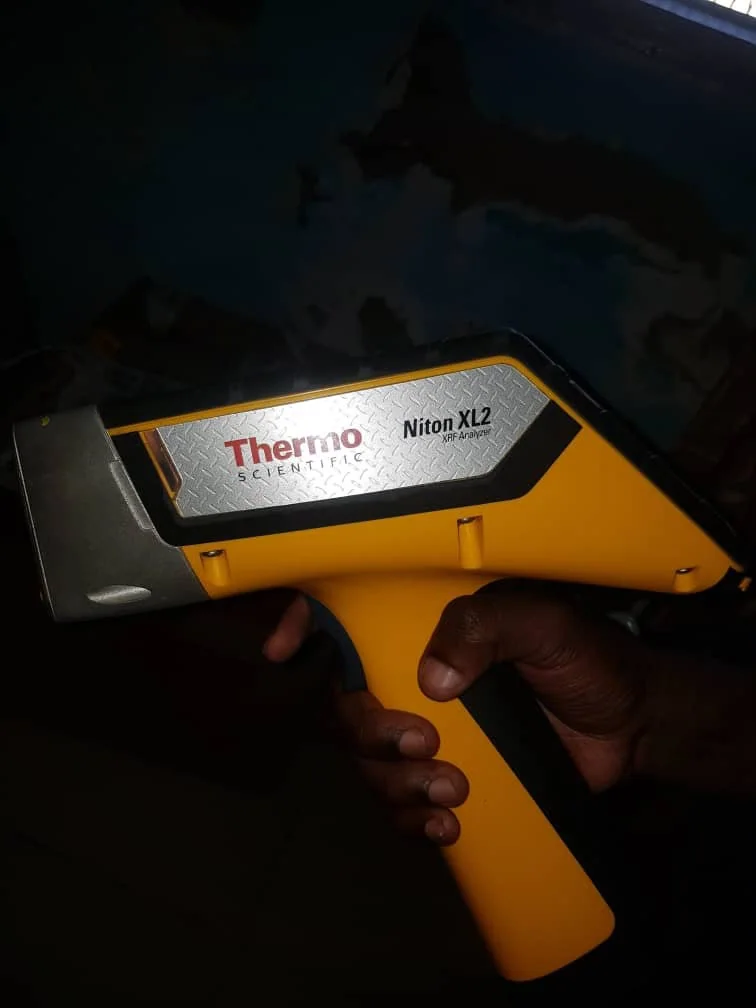
XRF means X-ray fluorescence. The technique measures characteristic X-rays emitted by elements in the surface region of a sample.
The point is not to add paperwork. It is to reduce avoidable uncertainty. It is useful for rapid, non-destructive elemental screening and comparison of several points. For buyers, exporters, miners, refiners, investors, manufacturers, and public officers, that distinction helps determine whether the evidence is strong enough for the next commitment or whether more verification is needed.
In practice, when this term appears in a report, contract, invoice, or discussion, ask which material, method, unit, organisation, or process it refers to. Record that definition in the transaction file so every party uses the word consistently. The work should be proportionate to the value, variability, geography, and consequence of getting the answer wrong. Responsibilities, timing, and decision points are clearer when they are agreed before money or material moves.
The strongest support comes from the underlying records rather than the label itself. Match the term to sample references, laboratory documents, product specifications, custody records, or official sources as appropriate. Records should be reviewed for consistency, not collected only to make a file look complete. Names, dates, weights, references, parties, and explanations should tell one coherent story.
Surface condition, plating, calibration, and non-uniform interiors can affect interpretation. That boundary matters because laboratory, customs, legal, financial, and commercial decisions belong to different qualified parties. A careful client uses each piece of evidence for the question it can genuinely answer.
13
ICP
ICP refers to inductively coupled plasma techniques such as ICP-OES or ICP-MS, which measure elements in a prepared solution using a high-temperature plasma.
For the client, the practical issue is scope. ICP methods can support multi-element analysis and low-level measurements after suitable sample digestion or preparation. For buyers, exporters, miners, refiners, investors, manufacturers, and public officers, that distinction helps determine whether the evidence is strong enough for the next commitment or whether more verification is needed.
In practice, when this term appears in a report, contract, invoice, or discussion, ask which material, method, unit, organisation, or process it refers to. Record that definition in the transaction file so every party uses the word consistently. The work should be proportionate to the value, variability, geography, and consequence of getting the answer wrong. Responsibilities, timing, and decision points are clearer when they are agreed before money or material moves.
The strongest support comes from the underlying records rather than the label itself. Match the term to sample references, laboratory documents, product specifications, custody records, or official sources as appropriate. Records should be reviewed for consistency, not collected only to make a file look complete. Names, dates, weights, references, parties, and explanations should tell one coherent story.
Results depend on complete preparation, calibration, interference control, and the specific validated method. That boundary matters because laboratory, customs, legal, financial, and commercial decisions belong to different qualified parties. A careful client uses each piece of evidence for the question it can genuinely answer.
14
Fire Assay
Fire Assay is a laboratory process that uses fusion, collection, cupellation, and a stated finish to determine precious metals in a weighed prepared sample.
The commercial value comes from using the information correctly. It is widely used for representative gold determination where accuracy matters. For buyers, exporters, miners, refiners, investors, manufacturers, and public officers, that distinction helps determine whether the evidence is strong enough for the next commitment or whether more verification is needed.
In practice, when this term appears in a report, contract, invoice, or discussion, ask which material, method, unit, organisation, or process it refers to. Record that definition in the transaction file so every party uses the word consistently. The work should be proportionate to the value, variability, geography, and consequence of getting the answer wrong. Responsibilities, timing, and decision points are clearer when they are agreed before money or material moves.
The strongest support comes from the underlying records rather than the label itself. Match the term to sample references, laboratory documents, product specifications, custody records, or official sources as appropriate. Records should be reviewed for consistency, not collected only to make a file look complete. Names, dates, weights, references, parties, and explanations should tell one coherent story.
The method consumes material and depends on representative sampling and quality control. That boundary matters because laboratory, customs, legal, financial, and commercial decisions belong to different qualified parties. A careful client uses each piece of evidence for the question it can genuinely answer.
15
Flux
Flux is a selected mixture added during Fire Assay fusion to help control melting, slag formation, oxidation or reduction, and collection of precious metals.
This step protects the connection between evidence and decision. The recipe is adjusted to the sample matrix and analytical objective. For buyers, exporters, miners, refiners, investors, manufacturers, and public officers, that distinction helps determine whether the evidence is strong enough for the next commitment or whether more verification is needed.
In practice, when this term appears in a report, contract, invoice, or discussion, ask which material, method, unit, organisation, or process it refers to. Record that definition in the transaction file so every party uses the word consistently. The work should be proportionate to the value, variability, geography, and consequence of getting the answer wrong. Responsibilities, timing, and decision points are clearer when they are agreed before money or material moves.
The strongest support comes from the underlying records rather than the label itself. Match the term to sample references, laboratory documents, product specifications, custody records, or official sources as appropriate. Records should be reviewed for consistency, not collected only to make a file look complete. Names, dates, weights, references, parties, and explanations should tell one coherent story.
Incorrect flux balance can affect fusion quality and recovery. That boundary matters because laboratory, customs, legal, financial, and commercial decisions belong to different qualified parties. A careful client uses each piece of evidence for the question it can genuinely answer.
16
Assay report
An assay report is the controlled document stating laboratory findings for an identified sample using a stated method and units.
The point is not to add paperwork. It is to reduce avoidable uncertainty. It supports technical review, transaction reconciliation, refining, or compliance files when connected to custody. For buyers, exporters, miners, refiners, investors, manufacturers, and public officers, that distinction helps determine whether the evidence is strong enough for the next commitment or whether more verification is needed.
In practice, when this term appears in a report, contract, invoice, or discussion, ask which material, method, unit, organisation, or process it refers to. Record that definition in the transaction file so every party uses the word consistently. The work should be proportionate to the value, variability, geography, and consequence of getting the answer wrong. Responsibilities, timing, and decision points are clearer when they are agreed before money or material moves.
The strongest support comes from the underlying records rather than the label itself. Match the term to sample references, laboratory documents, product specifications, custody records, or official sources as appropriate. Records should be reviewed for consistency, not collected only to make a file look complete. Names, dates, weights, references, parties, and explanations should tell one coherent story.
It does not by itself prove ownership, origin, export approval, or transaction legitimacy. That boundary matters because laboratory, customs, legal, financial, and commercial decisions belong to different qualified parties. A careful client uses each piece of evidence for the question it can genuinely answer.
Clear answers before the next step.
What Is Bullion?
Bullion is precious metal valued mainly by weight and purity and produced to a defined product specification. Check producer, identity, weight, purity, and buyer acceptance. A bar shape does not prove genuine bullion. The appropriate response depends on the material, jurisdiction, parties, value, and intended use, so buyers, exporters, miners, refiners, investors, manufacturers, and public officers should confirm transaction-specific requirements before acting.
What Is Doré Gold?
Doré is a partly refined alloy containing gold with silver and other metals. Use representative assay before commercial settlement or refining. Appearance does not establish purity. The appropriate response depends on the material, jurisdiction, parties, value, and intended use, so buyers, exporters, miners, refiners, investors, manufacturers, and public officers should confirm transaction-specific requirements before acting.
What Is Cupellation?
Cupellation heats the lead collector under controlled conditions so base components oxidise and a precious-metal bead remains. Review it as one controlled stage within the full Fire Assay method. Poor conditions can affect the analytical result. The appropriate response depends on the material, jurisdiction, parties, value, and intended use, so buyers, exporters, miners, refiners, investors, manufacturers, and public officers should confirm transaction-specific requirements before acting.
What Is Gold Fineness?
Gold fineness states the gold proportion in 1,000 parts of material. Use the stated assay value and units in commercial calculations. A stamp is not independent proof. The appropriate response depends on the material, jurisdiction, parties, value, and intended use, so buyers, exporters, miners, refiners, investors, manufacturers, and public officers should confirm transaction-specific requirements before acting.
What Is the Difference Between Smelting and Refining?
Smelting separates or concentrates metal using heat, while refining removes remaining impurities and separates metals to reach a target product. Describe the actual process and product accurately. An unfinished smelted bar should not be called refined bullion. The appropriate response depends on the material, jurisdiction, parties, value, and intended use, so buyers, exporters, miners, refiners, investors, manufacturers, and public officers should confirm transaction-specific requirements before acting.
What Does LBMA Mean?
LBMA is the London Bullion Market Association, which publishes standards and operates the Good Delivery system. Verify any claimed listing or status through official LBMA information. The acronym is often misused and does not accredit every gold business. The appropriate response depends on the material, jurisdiction, parties, value, and intended use, so buyers, exporters, miners, refiners, investors, manufacturers, and public officers should confirm transaction-specific requirements before acting.
What Is Traceability?
Traceability connects material identity and records across production, purchase, transport, processing, and sale. Reconcile quantities, dates, parties, and movements. Traceable does not automatically mean responsible or lawful. The appropriate response depends on the material, jurisdiction, parties, value, and intended use, so buyers, exporters, miners, refiners, investors, manufacturers, and public officers should confirm transaction-specific requirements before acting.
What Is ICP Analysis?
ICP-OES and ICP-MS measure elements in prepared solutions using an inductively coupled plasma and optical or mass detection. Confirm the preparation, analytes, reporting limits, and validated method. Incomplete digestion or interference can affect results. The appropriate response depends on the material, jurisdiction, parties, value, and intended use, so buyers, exporters, miners, refiners, investors, manufacturers, and public officers should confirm transaction-specific requirements before acting.
Is doré the same as bullion?
Doré is usually an intermediate alloy before final refining, while bullion generally refers to precious metal valued by weight and purity under a product specification. Describe and test the actual material. Bar shape alone does not determine the category. The appropriate response depends on the material, jurisdiction, parties, value, and intended use, so buyers, exporters, miners, refiners, investors, manufacturers, and public officers should confirm transaction-specific requirements before acting.
Is fineness the same as karat?
Both express gold proportion, but fineness uses parts per thousand and karat uses 24 parts. Use fineness for precise commercial comparison. Nominal conversions do not replace a measured result. The appropriate response depends on the material, jurisdiction, parties, value, and intended use, so buyers, exporters, miners, refiners, investors, manufacturers, and public officers should confirm transaction-specific requirements before acting.
Does LBMA certify all gold laboratories?
No. LBMA operates specific programmes and the Good Delivery system. Claims should be checked against official LBMA information. Verify the exact organisation and status claimed. The term should not be used as a generic quality badge. The appropriate response depends on the material, jurisdiction, parties, value, and intended use, so buyers, exporters, miners, refiners, investors, manufacturers, and public officers should confirm transaction-specific requirements before acting.
Is XRF the same as Fire Assay?
No. XRF is a rapid elemental surface-region technique. Fire Assay analyses a prepared sample through fusion and cupellation. Choose from the question and material. The results may not describe the same portion. The appropriate response depends on the material, jurisdiction, parties, value, and intended use, so buyers, exporters, miners, refiners, investors, manufacturers, and public officers should confirm transaction-specific requirements before acting.
Official and primary sources