
Definitive verification guide · Laboratory Verification
Independent Laboratory Testing
Why independence, secure sample handling, method selection, quality control, and clear reporting matter in precious-metals decisions.
What this guide establishes
- Independence separates analytical findings from the desired commercial result.
- Secure identity, custody, preparation, method controls, and reporting work as one system.
- A laboratory report should explain scope and limits rather than approve the transaction.
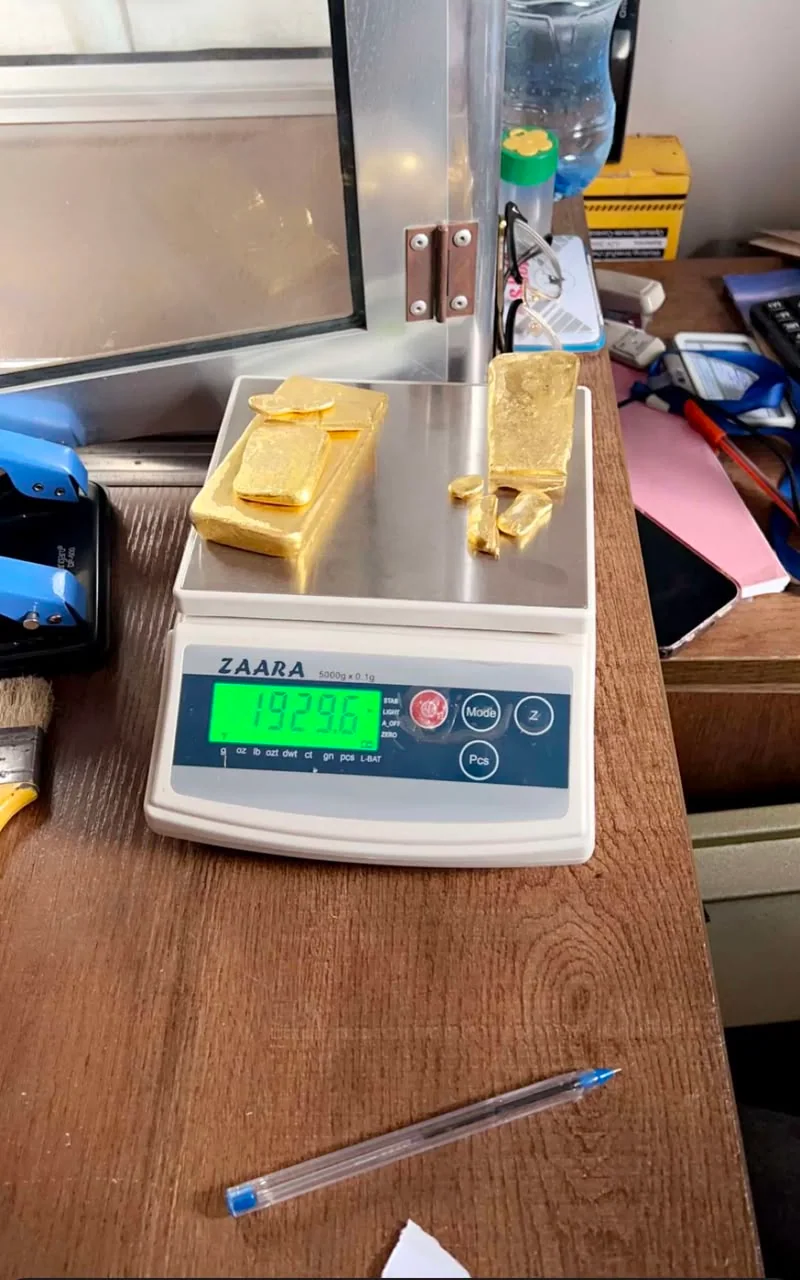
Independent laboratory testing gives buyers and sellers a technical reference that is separate from the commercial outcome. Independence does not mean working without context. The laboratory must understand the material and decision so it can recommend a suitable method. It does mean that payment and reporting are not changed to produce a favourable result for either party.
01
What laboratory independence means
An independent laboratory reports what its controlled analysis found for the submitted sample, regardless of whether the result benefits a buyer, seller, or another party.
For the client, the practical issue is scope. Both parties gain a common technical reference from someone who does not earn more when the result is higher or lower. For buyers, sellers, miners, exporters, refineries, investors, courts, and public institutions, that distinction helps determine whether the evidence is strong enough for the next commitment or whether more verification is needed.
In practice, agree scope, fees, method, witnesses, and report recipients before analysis, and keep commercial negotiation outside the analytical conclusion. The work should be proportionate to the value, variability, geography, and consequence of getting the answer wrong. Responsibilities, timing, and decision points are clearer when they are agreed before money or material moves.
Direct engagement, controlled intake, fixed service fees, authorised reports, and transparent limitations support independence. Records should be reviewed for consistency, not collected only to make a file look complete. Names, dates, weights, references, parties, and explanations should tell one coherent story.
Independence does not mean the laboratory can certify ownership, origin, legality, or transaction success. That boundary matters because laboratory, customs, legal, financial, and commercial decisions belong to different qualified parties. A careful client uses each piece of evidence for the question it can genuinely answer.
A useful workflow starts by naming the decision, the person responsible for it, and the evidence that must exist before approval. The client can then separate mandatory requirements from useful supporting checks, record unresolved questions, and stop the process when a material inconsistency appears. This is more reliable than trying to reconstruct the reasoning after the transaction has advanced. Apply that discipline specifically to what laboratory independence means so the control remains connected to the question this section addresses.
At the review point, write down what is confirmed, what remains an assumption, and what would change the decision. This short record helps legal, compliance, laboratory, logistics, and commercial advisers address the right questions without blurring their roles. It also gives the client a defensible reason to proceed, pause, renegotiate, or decline.
02
Choosing a test from the client question
The right method depends on material form, variability, permitted damage, decision value, time, and whether the client needs screening or representative analysis.
The commercial value comes from using the information correctly. Clients do not need to arrive knowing the instrument name. They should explain what they are trying to decide. For buyers, sellers, miners, exporters, refineries, investors, courts, and public institutions, that distinction helps determine whether the evidence is strong enough for the next commitment or whether more verification is needed.
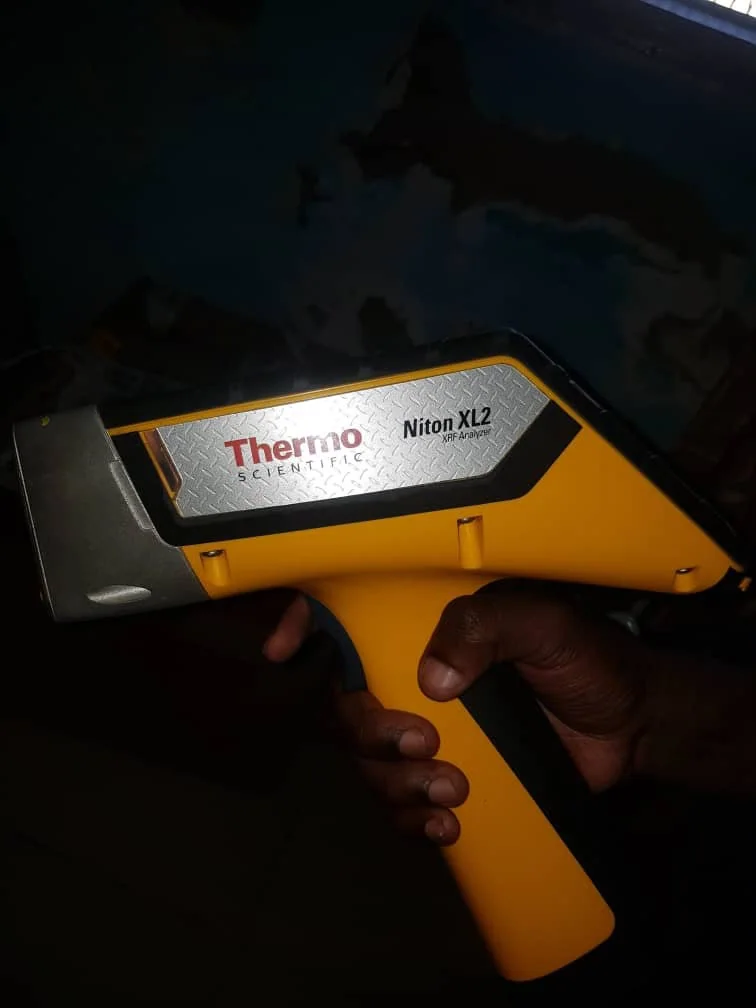
In practice, the laboratory asks focused questions, explains Fire Assay and XRF options, and records the agreed scope. The work should be proportionate to the value, variability, geography, and consequence of getting the answer wrong. Responsibilities, timing, and decision points are clearer when they are agreed before money or material moves.
A quotation or intake form that states sample, method, purpose, and reporting reduces later confusion. Records should be reviewed for consistency, not collected only to make a file look complete. Names, dates, weights, references, parties, and explanations should tell one coherent story.
A method should not be selected only because it is fast, familiar, or requested by one party without context. That boundary matters because laboratory, customs, legal, financial, and commercial decisions belong to different qualified parties. A careful client uses each piece of evidence for the question it can genuinely answer.
Before acting, the client should identify which party supplied each fact and which independent source, record, or test can verify it. Information from a seller may be necessary, but it should not be treated as independent confirmation. Where two records conflict, the conflict should be investigated and documented rather than explained away informally. Apply that discipline specifically to choosing a test from the client question so the control remains connected to the question this section addresses.
Evidence has a useful life and a defined scope. A document may be genuine but outdated, an assay may relate to a different sample, and an approval may apply only to a named party or route. Checking validity, scope, and direct connection to the current material prevents strong-looking evidence from being used for the wrong transaction.
03
Secure intake and sample identity
Secure handling begins by recording the material, submitter, references, weight, packaging, condition, and required custody arrangements.
This step protects the connection between evidence and decision. The result is useful only when the client can connect the report to the sample delivered. For buyers, sellers, miners, exporters, refineries, investors, courts, and public institutions, that distinction helps determine whether the evidence is strong enough for the next commitment or whether more verification is needed.
In practice, use unique identifiers, photographs, seals, restricted access, transfer records, and authorised collection. The work should be proportionate to the value, variability, geography, and consequence of getting the answer wrong. Responsibilities, timing, and decision points are clearer when they are agreed before money or material moves.
Intake forms, timestamps, images, seal logs, storage records, and signatures establish the identity trail. Records should be reviewed for consistency, not collected only to make a file look complete. Names, dates, weights, references, parties, and explanations should tell one coherent story.
Laboratory custody starts at the agreed intake point and cannot correct uncontrolled handling before arrival. That boundary matters because laboratory, customs, legal, financial, and commercial decisions belong to different qualified parties. A careful client uses each piece of evidence for the question it can genuinely answer.
Timing is part of the control. Reviews, sampling, testing, official enquiries, and third-party approvals should happen early enough for the client to respond to a problem without commercial pressure. A rushed final check is less useful when funds have moved, the shipment has departed, or contractual options have already narrowed. Apply that discipline specifically to secure intake and sample identity so the control remains connected to the question this section addresses.
Good communication is specific. Questions should refer to the exact lot, sample seal, report number, licence, invoice, shipment, party, and date concerned. Answers should be retained with the transaction file. This makes later reconciliation easier and reduces the risk that a verbal assurance is mistaken for formal evidence.
04
Preparation and contamination control
Preparation makes the analytical portion suitable and representative for the chosen method. Cleaning and separation controls reduce cross-contamination or mix-ups.
The point is not to add paperwork. It is to reduce avoidable uncertainty. Careful preparation can matter more than a small difference between instruments because it determines what material is actually measured. For buyers, sellers, miners, exporters, refineries, investors, courts, and public institutions, that distinction helps determine whether the evidence is strong enough for the next commitment or whether more verification is needed.
In practice, record tools, weights, grinding or drilling, splits, residues, cleaning, and retained portions. The work should be proportionate to the value, variability, geography, and consequence of getting the answer wrong. Responsibilities, timing, and decision points are clearer when they are agreed before money or material moves.
Preparation logs and sample balances allow the work to be reviewed and repeated where appropriate. Records should be reviewed for consistency, not collected only to make a file look complete. Names, dates, weights, references, parties, and explanations should tell one coherent story.
No preparation process can guarantee representation of a wider lot that was sampled poorly. That boundary matters because laboratory, customs, legal, financial, and commercial decisions belong to different qualified parties. A careful client uses each piece of evidence for the question it can genuinely answer.
The process should also allow escalation. A routine check may be enough for familiar, low-risk material, while unfamiliar parties, unusual payment requests, inconsistent weights, complex routes, or high values justify deeper review. Escalation is not an accusation. It is a proportionate response to uncertainty. Apply that discipline specifically to preparation and contamination control so the control remains connected to the question this section addresses.
If specialist interpretation is needed, use the appropriate qualified adviser. Laboratory staff can explain analytical scope, while authorities and legal, customs, financial, or logistics professionals address requirements within their own mandates. Coordinating those answers is more dependable than expecting one report or one organisation to validate the entire transaction.
05
Quality control during analysis
Quality control uses checks such as reference materials, duplicates, repeat readings, blanks where relevant, equipment checks, and reviewed calculations to monitor whether the method performs as intended.
For the client, the practical issue is scope. The client receives stronger evidence when the laboratory can show how it recognised acceptable and unacceptable analytical work. For buyers, sellers, miners, exporters, refineries, investors, courts, and public institutions, that distinction helps determine whether the evidence is strong enough for the next commitment or whether more verification is needed.
In practice, controls are selected for the method and material, reviewed against criteria, and investigated when they fail. The work should be proportionate to the value, variability, geography, and consequence of getting the answer wrong. Responsibilities, timing, and decision points are clearer when they are agreed before money or material moves.
Batch records, control results, maintenance, calibration checks, and authorised review support defensibility. Records should be reviewed for consistency, not collected only to make a file look complete. Names, dates, weights, references, parties, and explanations should tell one coherent story.
Quality control reduces and monitors analytical risk. It cannot eliminate sampling or transaction risk. That boundary matters because laboratory, customs, legal, financial, and commercial decisions belong to different qualified parties. A careful client uses each piece of evidence for the question it can genuinely answer.
A useful workflow starts by naming the decision, the person responsible for it, and the evidence that must exist before approval. The client can then separate mandatory requirements from useful supporting checks, record unresolved questions, and stop the process when a material inconsistency appears. This is more reliable than trying to reconstruct the reasoning after the transaction has advanced. Apply that discipline specifically to quality control during analysis so the control remains connected to the question this section addresses.
At the review point, write down what is confirmed, what remains an assumption, and what would change the decision. This short record helps legal, compliance, laboratory, logistics, and commercial advisers address the right questions without blurring their roles. It also gives the client a defensible reason to proceed, pause, renegotiate, or decline.
06
Clear and professional reporting
A professional report identifies the laboratory, report number, client or reference, sample, method, result, units, date, and relevant limitations or comments.
The commercial value comes from using the information correctly. Plain reporting helps non-laboratory clients use the finding without guessing what the number means. For buyers, sellers, miners, exporters, refineries, investors, courts, and public institutions, that distinction helps determine whether the evidence is strong enough for the next commitment or whether more verification is needed.
In practice, the laboratory explains the result, distinguishes preliminary from final information, controls revisions, and provides a verification channel. The work should be proportionate to the value, variability, geography, and consequence of getting the answer wrong. Responsibilities, timing, and decision points are clearer when they are agreed before money or material moves.
Authorised issue, revision history, secure delivery, and direct confirmation protect report integrity. Records should be reviewed for consistency, not collected only to make a file look complete. Names, dates, weights, references, parties, and explanations should tell one coherent story.
The report should not state that a transaction, owner, origin, or shipment is approved unless that is within a lawful and verified mandate. That boundary matters because laboratory, customs, legal, financial, and commercial decisions belong to different qualified parties. A careful client uses each piece of evidence for the question it can genuinely answer.
Before acting, the client should identify which party supplied each fact and which independent source, record, or test can verify it. Information from a seller may be necessary, but it should not be treated as independent confirmation. Where two records conflict, the conflict should be investigated and documented rather than explained away informally. Apply that discipline specifically to clear and professional reporting so the control remains connected to the question this section addresses.
Evidence has a useful life and a defined scope. A document may be genuine but outdated, an assay may relate to a different sample, and an approval may apply only to a named party or route. Checking validity, scope, and direct connection to the current material prevents strong-looking evidence from being used for the wrong transaction.
07
Confidentiality and communication
Laboratory clients may share commercially sensitive information. Access should be limited to people who need it, and report recipients should be agreed.
This step protects the connection between evidence and decision. Clear communication reduces accidental disclosure, conflicting instructions, and pressure from unauthorised parties. For buyers, sellers, miners, exporters, refineries, investors, courts, and public institutions, that distinction helps determine whether the evidence is strong enough for the next commitment or whether more verification is needed.
In practice, identify authorised contacts, consent for witnesses, report distribution, record retention, and how urgent questions will be handled. The work should be proportionate to the value, variability, geography, and consequence of getting the answer wrong. Responsibilities, timing, and decision points are clearer when they are agreed before money or material moves.
Contact logs, access rules, secure files, and authorised release records show control. Records should be reviewed for consistency, not collected only to make a file look complete. Names, dates, weights, references, parties, and explanations should tell one coherent story.
Confidentiality may be subject to legal, regulatory, safety, or professional obligations. That boundary matters because laboratory, customs, legal, financial, and commercial decisions belong to different qualified parties. A careful client uses each piece of evidence for the question it can genuinely answer.
Timing is part of the control. Reviews, sampling, testing, official enquiries, and third-party approvals should happen early enough for the client to respond to a problem without commercial pressure. A rushed final check is less useful when funds have moved, the shipment has departed, or contractual options have already narrowed. Apply that discipline specifically to confidentiality and communication so the control remains connected to the question this section addresses.
Good communication is specific. Questions should refer to the exact lot, sample seal, report number, licence, invoice, shipment, party, and date concerned. Answers should be retained with the transaction file. This makes later reconciliation easier and reduces the risk that a verbal assurance is mistaken for formal evidence.
08
When to request third-party testing
Independent testing is particularly useful before high-value purchase, settlement, export, refining, dispute, supplier approval, or acceptance of unfamiliar material.
The point is not to add paperwork. It is to reduce avoidable uncertainty. The cost of testing should be compared with the value at risk and the weakness of existing evidence. For buyers, sellers, miners, exporters, refineries, investors, courts, and public institutions, that distinction helps determine whether the evidence is strong enough for the next commitment or whether more verification is needed.
In practice, use a risk-based trigger, choose the laboratory independently, control sampling, and agree how the result will be used. The work should be proportionate to the value, variability, geography, and consequence of getting the answer wrong. Responsibilities, timing, and decision points are clearer when they are agreed before money or material moves.
A documented decision rule helps teams apply testing consistently instead of only after a problem. Records should be reviewed for consistency, not collected only to make a file look complete. Names, dates, weights, references, parties, and explanations should tell one coherent story.
Testing should complement contracts, KYC, licensing, source checks, and professional advice rather than replace them. That boundary matters because laboratory, customs, legal, financial, and commercial decisions belong to different qualified parties. A careful client uses each piece of evidence for the question it can genuinely answer.
The process should also allow escalation. A routine check may be enough for familiar, low-risk material, while unfamiliar parties, unusual payment requests, inconsistent weights, complex routes, or high values justify deeper review. Escalation is not an accusation. It is a proportionate response to uncertainty. Apply that discipline specifically to when to request third-party testing so the control remains connected to the question this section addresses.
If specialist interpretation is needed, use the appropriate qualified adviser. Laboratory staff can explain analytical scope, while authorities and legal, customs, financial, or logistics professionals address requirements within their own mandates. Coordinating those answers is more dependable than expecting one report or one organisation to validate the entire transaction.
Clear answers before the next step.
Why Independent Gold Testing Matters?
Independent testing separates the result from the seller's claim and gives parties a common technical reference. Choose the laboratory directly and control sampling and report delivery. Independence does not make the report proof of ownership or legality. The appropriate response depends on the material, jurisdiction, parties, value, and intended use, so buyers, sellers, miners, exporters, refineries, investors, courts, and public institutions should confirm transaction-specific requirements before acting.
What Makes a Laboratory Result Independent?
A result is independent when the laboratory's conclusion is not changed by the desired transaction outcome and the work follows a controlled scope. Agree fees and method before results are known. A laboratory can still receive necessary context without becoming a party to the sale. The appropriate response depends on the material, jurisdiction, parties, value, and intended use, so buyers, sellers, miners, exporters, refineries, investors, courts, and public institutions should confirm transaction-specific requirements before acting.
What Is Third-Party Gold Verification?
Third-party verification uses an organisation separate from buyer and seller to test or review defined evidence. Clarify exactly what the third party will verify. No third party can guarantee facts outside its scope. The appropriate response depends on the material, jurisdiction, parties, value, and intended use, so buyers, sellers, miners, exporters, refineries, investors, courts, and public institutions should confirm transaction-specific requirements before acting.
How Laboratories Protect Sample Identity?
Laboratories use unique references, intake records, labels, photographs, storage, and transfer logs to keep samples identified. Provide clear client references and authorised contacts. Controls after intake cannot repair an earlier substitution. The appropriate response depends on the material, jurisdiction, parties, value, and intended use, so buyers, sellers, miners, exporters, refineries, investors, courts, and public institutions should confirm transaction-specific requirements before acting.
What Is a Representative Sample?
A representative sample is collected and prepared so its relevant composition reasonably reflects the defined lot. Use a documented plan proportionate to variability and value. Convenience sampling is not automatically representative. The appropriate response depends on the material, jurisdiction, parties, value, and intended use, so buyers, sellers, miners, exporters, refineries, investors, courts, and public institutions should confirm transaction-specific requirements before acting.
What Should an Assay Report Include?
A useful report includes laboratory identity, report number, sample reference, method, result, units, date, and relevant limitations. Check every reference before using the result. A logo and signature do not prove the report belongs to the present material. The appropriate response depends on the material, jurisdiction, parties, value, and intended use, so buyers, sellers, miners, exporters, refineries, investors, courts, and public institutions should confirm transaction-specific requirements before acting.
When Should Parties Use a Witness Sample?
A witness or retained sample is a controlled split kept for possible review, repeat analysis, or dispute procedures. Agree split creation, sealing, custody, retention, and release. A retained portion only helps if it represents the same prepared material. The appropriate response depends on the material, jurisdiction, parties, value, and intended use, so buyers, sellers, miners, exporters, refineries, investors, courts, and public institutions should confirm transaction-specific requirements before acting.
How Confidentiality Works in a Gold Laboratory?
Confidentiality limits access and release of sample, client, and report information to authorised people, subject to applicable obligations. Name contacts and report recipients at intake. Confidentiality should not be used to conceal unlawful conduct or prevent required reporting. The appropriate response depends on the material, jurisdiction, parties, value, and intended use, so buyers, sellers, miners, exporters, refineries, investors, courts, and public institutions should confirm transaction-specific requirements before acting.
Can both buyer and seller be named on a report?
This depends on the agreed engagement, client authority, confidentiality, and report format. Agree recipients and references before sample intake. Adding names does not make the laboratory responsible for the contract. The appropriate response depends on the material, jurisdiction, parties, value, and intended use, so buyers, sellers, miners, exporters, refineries, investors, courts, and public institutions should confirm transaction-specific requirements before acting.
Can a laboratory value gold?
A laboratory measures composition. Valuation requires agreed weight, assay basis, market reference, deductions, and commercial terms. Keep analytical and commercial calculations separate. A purity result alone is not a purchase price. The appropriate response depends on the material, jurisdiction, parties, value, and intended use, so buyers, sellers, miners, exporters, refineries, investors, courts, and public institutions should confirm transaction-specific requirements before acting.
What if a client disputes a result?
The parties should review sample identity, method, quality control, units, and any retained sample under an agreed dispute procedure. Raise questions promptly and in writing. A new result from a different sample may not resolve the original issue. The appropriate response depends on the material, jurisdiction, parties, value, and intended use, so buyers, sellers, miners, exporters, refineries, investors, courts, and public institutions should confirm transaction-specific requirements before acting.
Does appointment-based testing improve security?
Appointments allow the laboratory to prepare for intake, authorised visitors, equipment, custody, and time needed for the material. Share relevant sample and witness details before arrival. An appointment does not replace legal authority to submit the material. The appropriate response depends on the material, jurisdiction, parties, value, and intended use, so buyers, sellers, miners, exporters, refineries, investors, courts, and public institutions should confirm transaction-specific requirements before acting.