
Definitive export guide · Gold Export
East Africa Gold Export Documentation
Understand export permits, invoices, certificates of origin, assay reports, customs records, and buyer review before shipment.
What this guide establishes
- Confirm exporter authority and current permit requirements before shipment.
- Every weight, description, reference, party, and destination should reconcile across the file.
- An assay supports material description but does not replace export or customs approval.
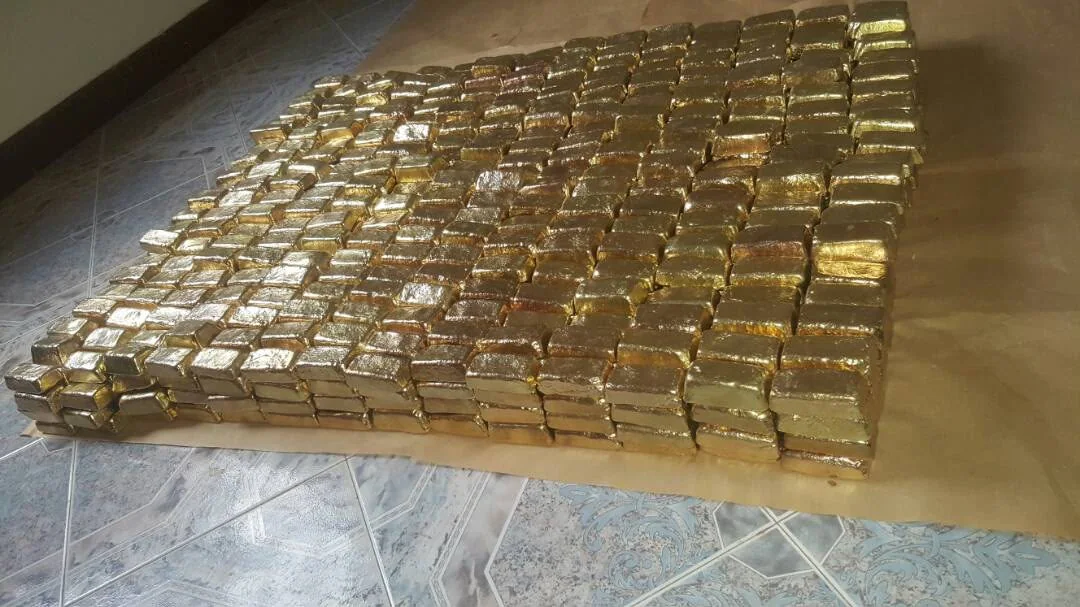
Gold export files must connect the exporter, the material, the source, the laboratory result, the value, the transport, and the destination. Requirements vary across East African countries and can change. A document that is necessary in one transaction may be insufficient or irrelevant in another. The safest approach is to confirm current requirements with the competent authorities and destination advisers before the material is moved.
02
Export permit and shipment-specific approval
Many mineral-export systems require a shipment-specific export permit or authorisation. The application may reference exporter, product, weight, value, destination, assay, royalty or tax evidence, and transport details.
The commercial value comes from using the information correctly. The permit should describe the actual shipment and remain valid for the intended movement. For licensed exporters, miners, international buyers, refiners, customs brokers, and compliance teams, that distinction helps determine whether the evidence is strong enough for the next commitment or whether more verification is needed.
In practice, prepare the application from reconciled final data and avoid changing material, weight, consignee, or route without checking whether amendment is required. The work should be proportionate to the value, variability, geography, and consequence of getting the answer wrong. Responsibilities, timing, and decision points are clearer when they are agreed before money or material moves.
Application, payment receipts, permit, official verification, and any inspection or sealing record should be indexed together. Records should be reviewed for consistency, not collected only to make a file look complete. Names, dates, weights, references, parties, and explanations should tell one coherent story.
Bilex can support preparation and coordination but cannot issue or guarantee an export permit. That boundary matters because laboratory, customs, legal, financial, and commercial decisions belong to different qualified parties. A careful client uses each piece of evidence for the question it can genuinely answer.
Before acting, the client should identify which party supplied each fact and which independent source, record, or test can verify it. Information from a seller may be necessary, but it should not be treated as independent confirmation. Where two records conflict, the conflict should be investigated and documented rather than explained away informally. Apply that discipline specifically to export permit and shipment-specific approval so the control remains connected to the question this section addresses.
Evidence has a useful life and a defined scope. A document may be genuine but outdated, an assay may relate to a different sample, and an approval may apply only to a named party or route. Checking validity, scope, and direct connection to the current material prevents strong-looking evidence from being used for the wrong transaction.
03
Commercial invoice and contract
The commercial invoice describes the seller, buyer, material, quantity, unit, price, currency, payment terms, and delivery terms. The contract allocates testing, title, risk, compliance, and discrepancy responsibilities.
This step protects the connection between evidence and decision. Inconsistencies between contract, invoice, permit, assay, and transport records often cause delay or dispute. For licensed exporters, miners, international buyers, refiners, customs brokers, and compliance teams, that distinction helps determine whether the evidence is strong enough for the next commitment or whether more verification is needed.
In practice, use precise product descriptions such as doré, bullion, jewellery, scrap, or concentrate and state the purity basis honestly. The work should be proportionate to the value, variability, geography, and consequence of getting the answer wrong. Responsibilities, timing, and decision points are clearer when they are agreed before money or material moves.
Signed contract, authorised invoice, amendments, payment schedule, and approval records establish the commercial file. Records should be reviewed for consistency, not collected only to make a file look complete. Names, dates, weights, references, parties, and explanations should tell one coherent story.
An invoice is a commercial claim. It does not prove purity, ownership, or export approval. That boundary matters because laboratory, customs, legal, financial, and commercial decisions belong to different qualified parties. A careful client uses each piece of evidence for the question it can genuinely answer.
Timing is part of the control. Reviews, sampling, testing, official enquiries, and third-party approvals should happen early enough for the client to respond to a problem without commercial pressure. A rushed final check is less useful when funds have moved, the shipment has departed, or contractual options have already narrowed. Apply that discipline specifically to commercial invoice and contract so the control remains connected to the question this section addresses.
Good communication is specific. Questions should refer to the exact lot, sample seal, report number, licence, invoice, shipment, party, and date concerned. Answers should be retained with the transaction file. This makes later reconciliation easier and reduces the risk that a verbal assurance is mistaken for formal evidence.
04
Packing list, weights, and seals
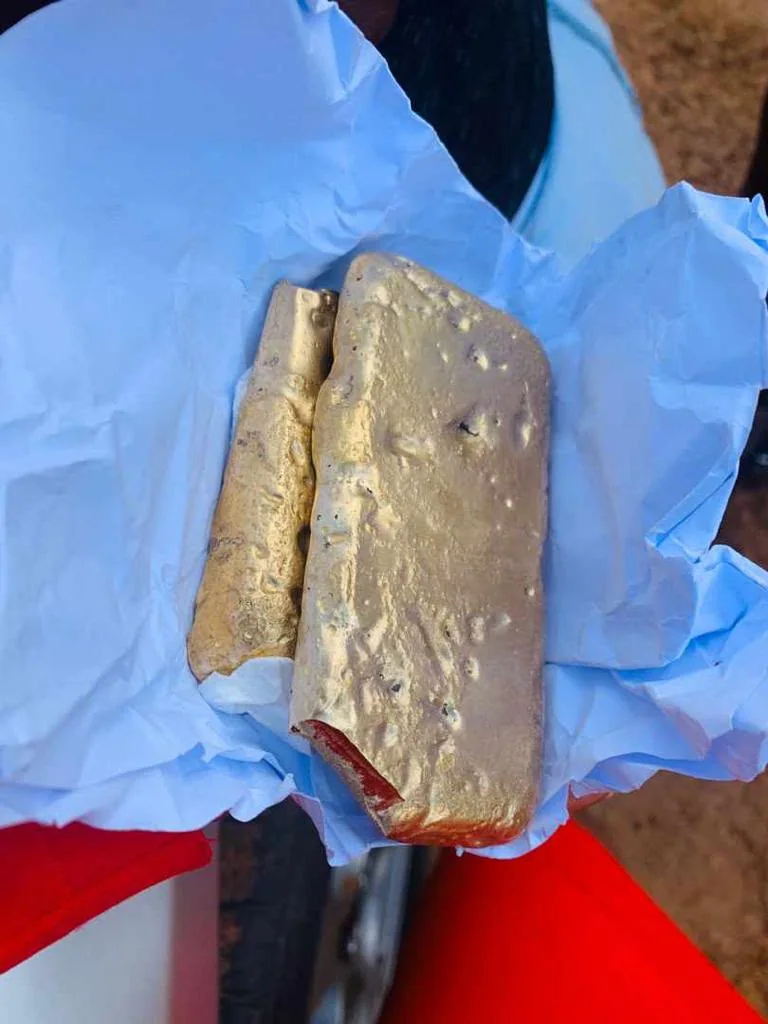
The packing list identifies packages, bars or units, gross and net weights, marks, numbers, and packaging. Seal records show how controlled packages were closed and transferred.
The point is not to add paperwork. It is to reduce avoidable uncertainty. Customs, carriers, laboratories, insurers, buyers, and refineries need the physical shipment to match the document file. For licensed exporters, miners, international buyers, refiners, customs brokers, and compliance teams, that distinction helps determine whether the evidence is strong enough for the next commitment or whether more verification is needed.
In practice, use calibrated weighing, record each item, photograph marks, reconcile totals, and restrict changes after final packing. The work should be proportionate to the value, variability, geography, and consequence of getting the answer wrong. Responsibilities, timing, and decision points are clearer when they are agreed before money or material moves.
Weight sheets, scale records, bar lists, photographs, packing list, and seal log support physical identity. Records should be reviewed for consistency, not collected only to make a file look complete. Names, dates, weights, references, parties, and explanations should tell one coherent story.
A packing list does not establish composition. It must be connected to analytical and custody evidence. That boundary matters because laboratory, customs, legal, financial, and commercial decisions belong to different qualified parties. A careful client uses each piece of evidence for the question it can genuinely answer.
The process should also allow escalation. A routine check may be enough for familiar, low-risk material, while unfamiliar parties, unusual payment requests, inconsistent weights, complex routes, or high values justify deeper review. Escalation is not an accusation. It is a proportionate response to uncertainty. Apply that discipline specifically to packing list, weights, and seals so the control remains connected to the question this section addresses.
If specialist interpretation is needed, use the appropriate qualified adviser. Laboratory staff can explain analytical scope, while authorities and legal, customs, financial, or logistics professionals address requirements within their own mandates. Coordinating those answers is more dependable than expecting one report or one organisation to validate the entire transaction.
05
Assay report and material description
An assay report provides laboratory findings for an identified sample. Export or valuation processes may require a report in a particular format, from a recognised laboratory, or under an official sampling arrangement.
For the client, the practical issue is scope. The exporter and buyer should confirm which report is required and how the sample represents the shipment before testing begins. For licensed exporters, miners, international buyers, refiners, customs brokers, and compliance teams, that distinction helps determine whether the evidence is strong enough for the next commitment or whether more verification is needed.
In practice, align sample references, lot identity, units, report date, and material description across the permit and commercial documents. The work should be proportionate to the value, variability, geography, and consequence of getting the answer wrong. Responsibilities, timing, and decision points are clearer when they are agreed before money or material moves.
Sampling record, intake, chain of custody, report verification, and retained sample connect the result to the lot. Records should be reviewed for consistency, not collected only to make a file look complete. Names, dates, weights, references, parties, and explanations should tell one coherent story.
An assay is not an export licence, customs release, certificate of origin, or proof of ownership. That boundary matters because laboratory, customs, legal, financial, and commercial decisions belong to different qualified parties. A careful client uses each piece of evidence for the question it can genuinely answer.
A useful workflow starts by naming the decision, the person responsible for it, and the evidence that must exist before approval. The client can then separate mandatory requirements from useful supporting checks, record unresolved questions, and stop the process when a material inconsistency appears. This is more reliable than trying to reconstruct the reasoning after the transaction has advanced. Apply that discipline specifically to assay report and material description so the control remains connected to the question this section addresses.
At the review point, write down what is confirmed, what remains an assumption, and what would change the decision. This short record helps legal, compliance, laboratory, logistics, and commercial advisers address the right questions without blurring their roles. It also gives the client a defensible reason to proceed, pause, renegotiate, or decline.
06
Certificate of origin and source evidence
A certificate of origin or other source documentation states where goods originate under the applicable system. Mineral supply-chain files may also include mining, purchase, production, royalty, traceability, and dealer records.
The commercial value comes from using the information correctly. The buyer needs the factual origin claim to align with supplier, route, export authority, sanctions, and responsible-sourcing evidence. For licensed exporters, miners, international buyers, refiners, customs brokers, and compliance teams, that distinction helps determine whether the evidence is strong enough for the next commitment or whether more verification is needed.
In practice, confirm who is authorised to issue the certificate and what supporting records establish the claim. The work should be proportionate to the value, variability, geography, and consequence of getting the answer wrong. Responsibilities, timing, and decision points are clearer when they are agreed before money or material moves.
Official issue verification, production or purchase records, lot reconciliation, and transport history support origin review. Records should be reviewed for consistency, not collected only to make a file look complete. Names, dates, weights, references, parties, and explanations should tell one coherent story.
The country of export may differ from the country of origin, and a certificate should not be accepted without checking its basis. That boundary matters because laboratory, customs, legal, financial, and commercial decisions belong to different qualified parties. A careful client uses each piece of evidence for the question it can genuinely answer.
Before acting, the client should identify which party supplied each fact and which independent source, record, or test can verify it. Information from a seller may be necessary, but it should not be treated as independent confirmation. Where two records conflict, the conflict should be investigated and documented rather than explained away informally. Apply that discipline specifically to certificate of origin and source evidence so the control remains connected to the question this section addresses.
Evidence has a useful life and a defined scope. A document may be genuine but outdated, an assay may relate to a different sample, and an approval may apply only to a named party or route. Checking validity, scope, and direct connection to the current material prevents strong-looking evidence from being used for the wrong transaction.
07
Customs declaration and transport documents
The customs file commonly includes export declaration data, commercial documents, permits, classification, value, origin, package details, and transport records such as an airway bill.
This step protects the connection between evidence and decision. The same parties, product, weight, destination, and value should appear consistently or be explained. For licensed exporters, miners, international buyers, refiners, customs brokers, and compliance teams, that distinction helps determine whether the evidence is strong enough for the next commitment or whether more verification is needed.
In practice, have the licensed broker or responsible professional review draft data before submission and final documents after issue. The work should be proportionate to the value, variability, geography, and consequence of getting the answer wrong. Responsibilities, timing, and decision points are clearer when they are agreed before money or material moves.
Declaration, customs release, inspection record, airway bill, cargo receipt, and delivery confirmation complete the movement record. Records should be reviewed for consistency, not collected only to make a file look complete. Names, dates, weights, references, parties, and explanations should tell one coherent story.
A carrier booking does not prove customs approval, and a customs filing does not prove destination acceptance. That boundary matters because laboratory, customs, legal, financial, and commercial decisions belong to different qualified parties. A careful client uses each piece of evidence for the question it can genuinely answer.
Timing is part of the control. Reviews, sampling, testing, official enquiries, and third-party approvals should happen early enough for the client to respond to a problem without commercial pressure. A rushed final check is less useful when funds have moved, the shipment has departed, or contractual options have already narrowed. Apply that discipline specifically to customs declaration and transport documents so the control remains connected to the question this section addresses.
Good communication is specific. Questions should refer to the exact lot, sample seal, report number, licence, invoice, shipment, party, and date concerned. Answers should be retained with the transaction file. This makes later reconciliation easier and reduces the risk that a verbal assurance is mistaken for formal evidence.
08
Destination-country coordination
The buyer or importer should confirm entry, sanctions, AML, product, tax, customs, broker, laboratory, and refinery requirements before the exporter dispatches material.
The point is not to add paperwork. It is to reduce avoidable uncertainty. A legally exported shipment can still face delay or refusal if the destination file or importer is not ready. For licensed exporters, miners, international buyers, refiners, customs brokers, and compliance teams, that distinction helps determine whether the evidence is strong enough for the next commitment or whether more verification is needed.
In practice, exchange a controlled pre-shipment checklist, resolve discrepancies, and confirm who will answer authority or carrier questions. The work should be proportionate to the value, variability, geography, and consequence of getting the answer wrong. Responsibilities, timing, and decision points are clearer when they are agreed before money or material moves.
Importer instructions, broker review, permits, pre-alert, document acknowledgement, and discrepancy protocol support coordination. Records should be reviewed for consistency, not collected only to make a file look complete. Names, dates, weights, references, parties, and explanations should tell one coherent story.
No facilitator can guarantee customs release, carrier acceptance, financing, or buyer payment. That boundary matters because laboratory, customs, legal, financial, and commercial decisions belong to different qualified parties. A careful client uses each piece of evidence for the question it can genuinely answer.
The process should also allow escalation. A routine check may be enough for familiar, low-risk material, while unfamiliar parties, unusual payment requests, inconsistent weights, complex routes, or high values justify deeper review. Escalation is not an accusation. It is a proportionate response to uncertainty. Apply that discipline specifically to destination-country coordination so the control remains connected to the question this section addresses.
If specialist interpretation is needed, use the appropriate qualified adviser. Laboratory staff can explain analytical scope, while authorities and legal, customs, financial, or logistics professionals address requirements within their own mandates. Coordinating those answers is more dependable than expecting one report or one organisation to validate the entire transaction.
Clear answers before the next step.
What Documents Are Needed to Export Gold?
The file may include exporter authority, shipment permit, commercial invoice, contract, packing list, assay, origin evidence, customs declaration, transport record, and payment or royalty evidence. Confirm the current list with the competent authority for the exact product and country. A general checklist cannot replace shipment-specific requirements. The appropriate response depends on the material, jurisdiction, parties, value, and intended use, so licensed exporters, miners, international buyers, refiners, customs brokers, and compliance teams should confirm transaction-specific requirements before acting.
What Is a Gold Export Permit?
An export permit is an official authorisation for a defined shipment issued under the relevant law or process. Verify the issuer, exporter, material, weight, destination, validity, and conditions. Bilex does not issue permits or guarantee approval. The appropriate response depends on the material, jurisdiction, parties, value, and intended use, so licensed exporters, miners, international buyers, refiners, customs brokers, and compliance teams should confirm transaction-specific requirements before acting.
Why an Assay Report Is Used in Export Files?
An assay report can support purity, product description, valuation, and reconciliation for an identified sample. Ensure the sample and units match the shipment file. The report does not replace permits, origin, customs, or ownership evidence. The appropriate response depends on the material, jurisdiction, parties, value, and intended use, so licensed exporters, miners, international buyers, refiners, customs brokers, and compliance teams should confirm transaction-specific requirements before acting.
What Is a Certificate of Origin?
A certificate of origin states the country of origin under the relevant process and may be used for customs or trade purposes. Verify the authorised issuer and supporting source evidence. Country of shipment is not automatically country of origin. The appropriate response depends on the material, jurisdiction, parties, value, and intended use, so licensed exporters, miners, international buyers, refiners, customs brokers, and compliance teams should confirm transaction-specific requirements before acting.
How Commercial Invoices Describe Gold?
A commercial invoice identifies seller, buyer, product, quantity, weight, value, currency, delivery terms, and payment terms. Use accurate product and purity descriptions that match the supporting file. The invoice does not prove the claims it contains. The appropriate response depends on the material, jurisdiction, parties, value, and intended use, so licensed exporters, miners, international buyers, refiners, customs brokers, and compliance teams should confirm transaction-specific requirements before acting.
Why Shipments Are Delayed at Customs?
Delays can arise from missing permits, inconsistent documents, unclear value or origin, inspection, sanctions concerns, importer problems, or transport discrepancies. Prepare a reconciled file and name the person responsible for answering questions. No adviser can promise a release time or outcome. The appropriate response depends on the material, jurisdiction, parties, value, and intended use, so licensed exporters, miners, international buyers, refiners, customs brokers, and compliance teams should confirm transaction-specific requirements before acting.
Who Is Responsible for Export Compliance?
The exporter and other regulated parties retain responsibilities assigned by law, even when brokers, laboratories, consultants, or carriers assist. Document each role and verify authority before delegating tasks. Coordination does not convert Bilex into a government authority or customs broker. The appropriate response depends on the material, jurisdiction, parties, value, and intended use, so licensed exporters, miners, international buyers, refiners, customs brokers, and compliance teams should confirm transaction-specific requirements before acting.
How Buyers Review an East Africa Export File?
Buyers should verify exporter authority, source, permits, assay, commercial documents, customs, transport, payment, and destination compliance. Use independent issuer checks and reconcile every key reference. A complete file can still contain unrelated or altered documents. The appropriate response depends on the material, jurisdiction, parties, value, and intended use, so licensed exporters, miners, international buyers, refiners, customs brokers, and compliance teams should confirm transaction-specific requirements before acting.
Are gold export rules the same across East Africa?
No. Laws, authorities, licences, permits, taxes, procedures, and product rules differ by country and can change. Use current official guidance for the exporting country and destination. Do not reuse one country's checklist in another without verification. The appropriate response depends on the material, jurisdiction, parties, value, and intended use, so licensed exporters, miners, international buyers, refiners, customs brokers, and compliance teams should confirm transaction-specific requirements before acting.
Can a buyer apply for the seller's export permit?
Roles depend on the local system, but the authorised exporter normally carries obligations that cannot simply be transferred to a foreign buyer. Confirm the legal applicant and authorised representatives. Avoid paying unofficial intermediaries who claim they can bypass the process. The appropriate response depends on the material, jurisdiction, parties, value, and intended use, so licensed exporters, miners, international buyers, refiners, customs brokers, and compliance teams should confirm transaction-specific requirements before acting.
Does an export permit guarantee import clearance?
No. Export and import are separate processes governed by different authorities and requirements. Complete destination preparation before dispatch. A valid export document cannot override destination restrictions. The appropriate response depends on the material, jurisdiction, parties, value, and intended use, so licensed exporters, miners, international buyers, refiners, customs brokers, and compliance teams should confirm transaction-specific requirements before acting.
Can Bilex coordinate export documentation?
Bilex can assist qualified clients with preparation, review, and stakeholder coordination within an agreed scope. Provide the available file and identify the exporting and destination countries. Support remains subject to applicable rules, due diligence, and authority decisions. The appropriate response depends on the material, jurisdiction, parties, value, and intended use, so licensed exporters, miners, international buyers, refiners, customs brokers, and compliance teams should confirm transaction-specific requirements before acting.
Official and primary sources