Bilex Minerals EABilex

Gold Purity Testing

Gold Purity Testing

Independent Purity Evidence for Doré, Bullion and Suitable Gold Materials

Gold purity testing starts with the material, the form it is in and the decision the result needs to support.

Bilex selects an appropriate in house analytical or physical verification method after reviewing the sample and testing objective.

Bilex laboratory
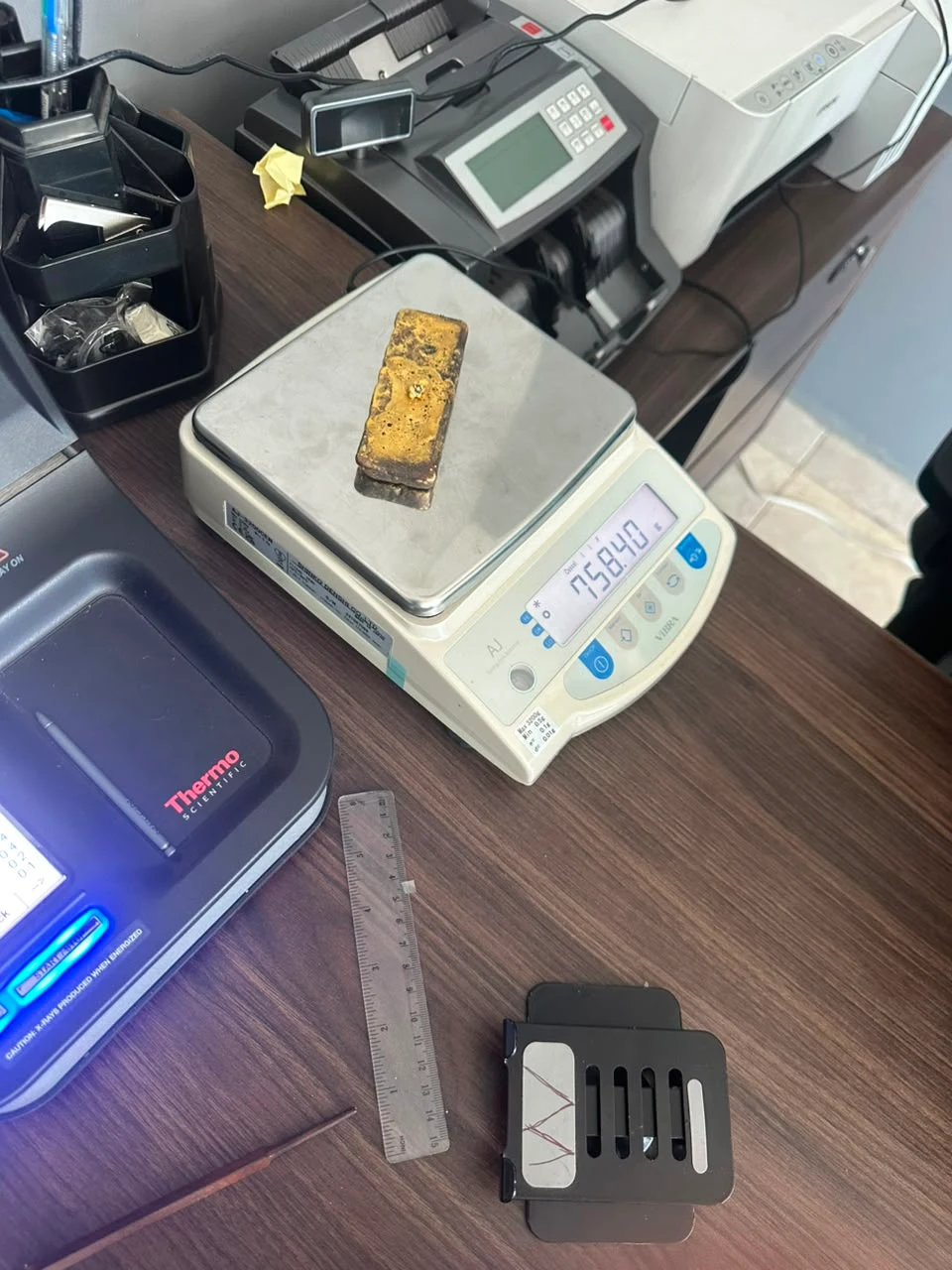
Gold doré bar being weighed during intake at Bilex Minerals EA
Actual Bilex laboratory imagery.

Overview

Purity is a measured result, not a label

Marks such as 24 karat, 999 or 9999 describe a claimed or specified level of fineness. They do not establish the composition of a particular bar or item by themselves. Gold purity testing connects the material to a measured result and a stated method.

XRF for rapid composition

XRF is useful when the item should remain intact and the immediate question concerns elemental composition at the measured surface. Bilex can prepare and polish suitable areas before testing with handheld or desktop XRF equipment. Several areas may be measured where comparison across the item is useful.

Because XRF measures a shallow region, plating, surface enrichment, contamination and internal inserts can limit what the result says about the whole item.

Fire Assay for representative fineness

Where the decision requires a representative quantitative gold result and sampling is permitted, Fire Assay can be performed on a metallic sample taken from the material. In high grade gold and doré work, the assay portion is cupelled and the precious metal bead is treated so that gold and silver can be separated and determined under the applicable procedure. The result is tied to the sample that was taken.

Physical verification for suitable bullion

Ultrasonic and hydrostatic density testing can add useful physical information when the item is a suitable solid bar. Ultrasound looks for internal boundaries and discontinuities. Density testing compares mass with volume. Neither method determines exact fineness on its own, but both can complement elemental and assay evidence.

How results may be expressed

Depending on the material and method, results may be reported as percentage, fineness or another appropriate concentration unit. For ore and concentrates, grade may be reported in units such as grams per tonne rather than bullion style fineness. The unit should always match the material and analytical question.

Next step

Request Purity Testing